Olivia Hayes
 If you’ve ever struggled with gluten-free baking, you know pie crust can feel especially intimidating. Too crumbly. Too dry. Too fragile. Or worse — tough and dense. But here’s the good news: a perfectly flaky gluten-free pie crust is absolutely possible.
This is not just another gluten-free crust recipe. This is the one you’ll keep forever.
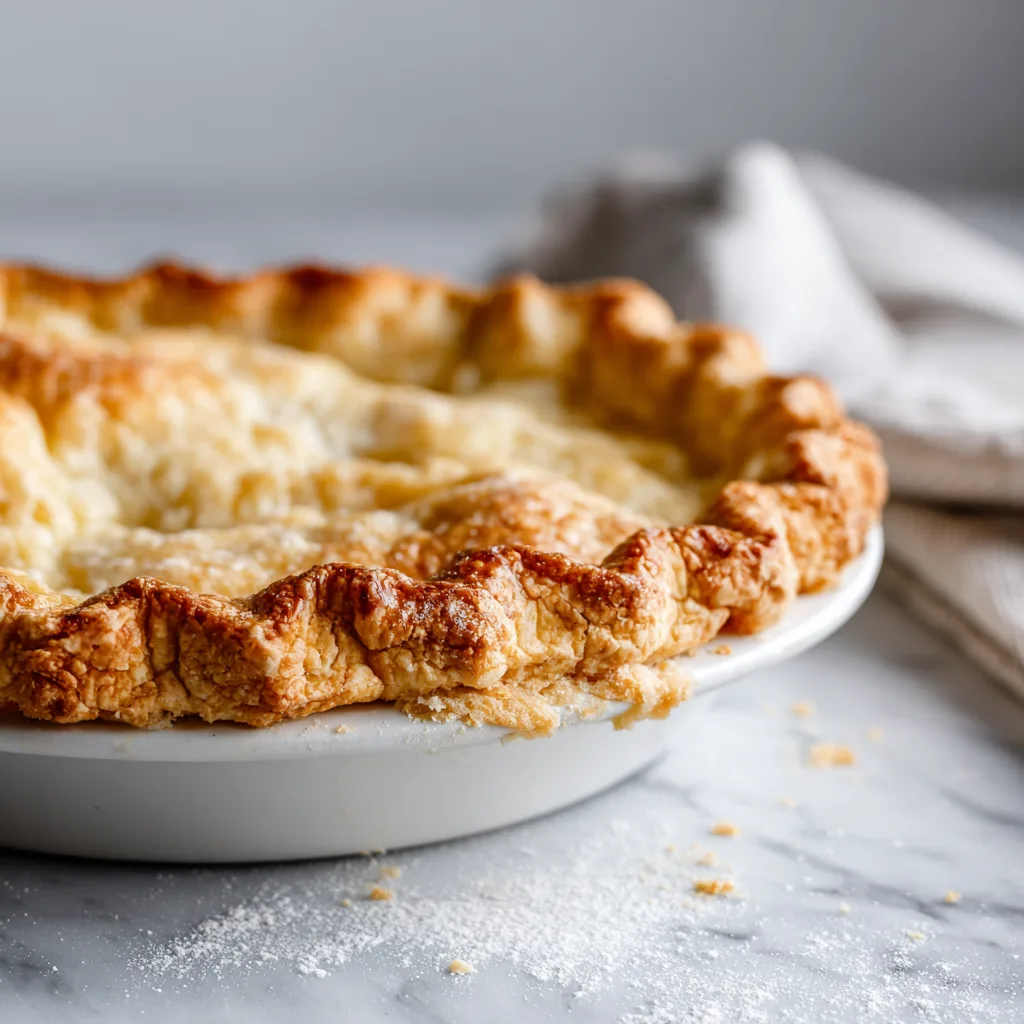
Light, buttery, tender, and sturdy enough to hold any filling — sweet or savory — this ultimate gluten-free pie crust delivers everything you love about traditional pastry without the gluten. It rolls out beautifully, doesn’t crack at the edges, and bakes up golden with delicate, flaky layers.
Whether you’re baking apple pie for the holidays or a savory quiche for brunch, this no-fail pie crust recipe will become your go-to foundation.
Let’s break down exactly how to master it.
Why Gluten-Free Pie Crust Is Tricky
Traditional pie crust relies on gluten to create structure and elasticity. When you remove gluten, you remove that built-in stretch and binding power.
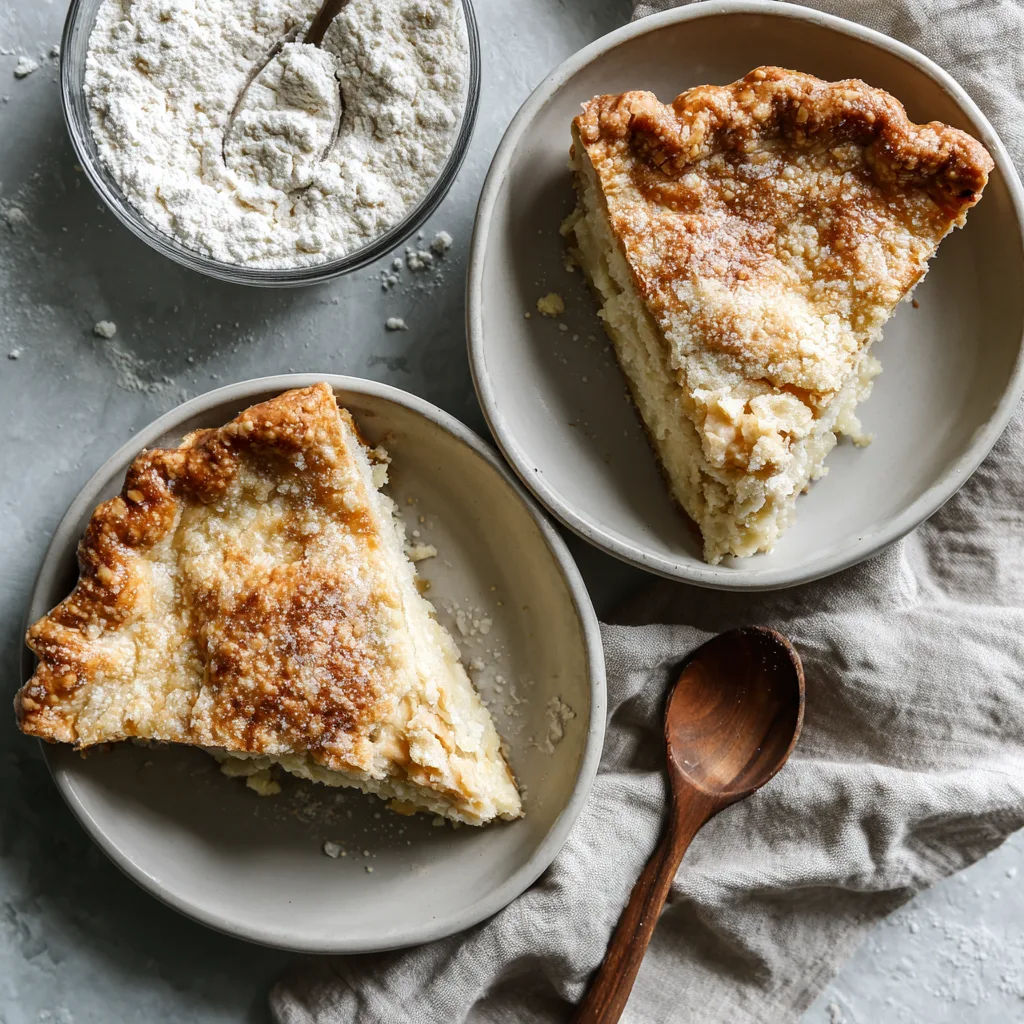
That’s why many gluten-free crusts:
- Crack while rolling
- Fall apart when transferring
- Bake up sandy or crumbly
- Lack flaky layers
The secret to success? A well-balanced gluten-free flour blend, proper hydration, cold butter, and one key ingredient that makes all the difference.
The Secret to Flakiness
The magic formula includes:
- A high-quality gluten-free all-purpose flour blend (with xanthan gum)
- Very cold butter
- A touch of apple cider vinegar
- An egg for structure
- Ice water added gradually
The vinegar tenderizes the dough. The egg helps bind everything. The cold butter creates those beautiful flaky layers.
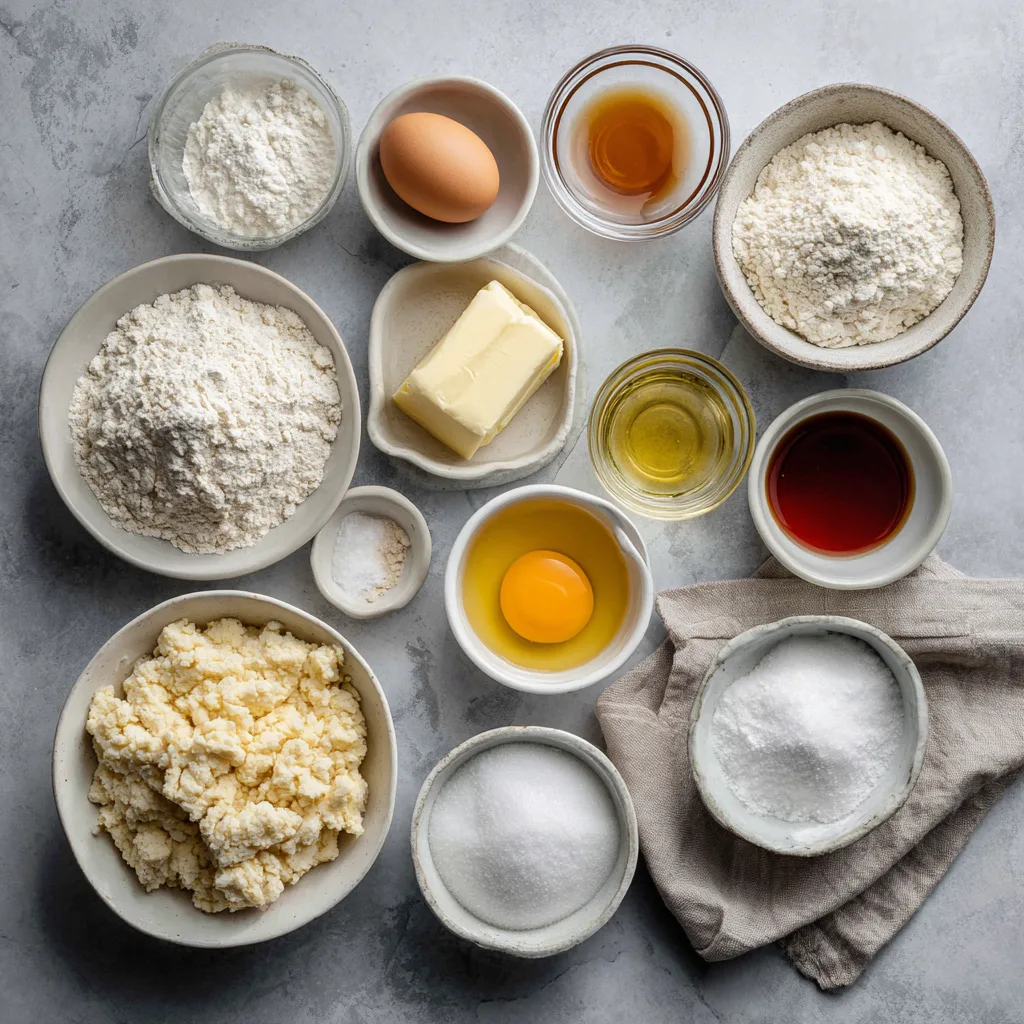
Ingredients
- 2 1/2 cups gluten-free all-purpose flour blend (with xanthan gum)
- 1 tablespoon granulated sugar (omit for savory pies if desired)
- 1 teaspoon salt
- 1 cup (2 sticks) unsalted butter, very cold and cubed
- 1 large egg
- 1 tablespoon apple cider vinegar
- 3–5 tablespoons ice water
Step-by-Step Instructions
1. Mix Dry Ingredients
In a large mixing bowl, whisk together gluten-free flour blend, sugar, and salt.
2. Cut in Butter
Add cold cubed butter. Using a pastry cutter or your fingers, cut butter into flour until mixture resembles coarse crumbs with pea-sized pieces.
Visible butter pieces = flaky layers.
3. Add Wet Ingredients
In a small bowl, whisk egg and apple cider vinegar.
Pour into flour mixture and stir gently.
4. Add Ice Water
Add ice water one tablespoon at a time, mixing lightly after each addition.
Stop when dough holds together when pressed but isn’t sticky.
5. Chill the Dough
Form dough into a disk. Wrap tightly in plastic wrap.
Refrigerate at least 1 hour (or up to 2 days).
6. Roll Out
Place dough between two sheets of parchment paper. Roll gently into a 12-inch circle.
Peel off top parchment and carefully flip into pie dish.
Press gently into pan and trim edges.
7. Chill Again
Chill crust in pie dish for 20–30 minutes before baking.
8. Blind Bake (If Needed)
Preheat oven to 375°F (190°C).
Line crust with parchment and pie weights.
Bake 15 minutes, remove weights, and bake another 10–15 minutes until golden.
The Ultimate Gluten-Free Pie Crust (Flaky & No-Fail!)
Ingredients
Equipment
Method
- Whisk together flour, sugar, and salt in a large bowl.
- Cut in cold butter until mixture resembles coarse crumbs with pea-sized pieces.
- Whisk egg and vinegar together, then mix into flour mixture.
- Add ice water one tablespoon at a time until dough holds together.
- Form dough into a disk, wrap, and refrigerate at least 1 hour.
- Roll dough between parchment paper and transfer to pie dish.
- Chill crust 20–30 minutes before baking.
- Blind bake at 375°F for 15 minutes with weights, then 10–15 minutes without until golden.
Notes
Pro Tips for No-Fail Results
Keep Everything Cold
Cold butter is essential. Warm butter melts too quickly and ruins flakiness.
Don’t Overwork the Dough
Overmixing makes crust tough.
Roll Between Parchment
Prevents sticking and cracking.
Patch Cracks Easily
If cracks appear, press gently with fingers — gluten-free dough is forgiving.
Sweet vs. Savory Adjustments
For Sweet Pies
Keep the sugar and add 1/2 teaspoon vanilla extract.
For Savory Pies
Omit sugar and add a pinch of black pepper or herbs.
Best Fillings for This Crust
- Apple pie
- Pumpkin pie
- Pecan pie
- Chicken pot pie
- Quiche
- Berry galette
It’s strong enough for heavy fillings yet tender enough to melt in your mouth.
Storage & Freezing
Refrigerate dough up to 2 days before using.
Freeze wrapped dough up to 2 months. Thaw overnight in fridge before rolling.
You can also freeze pre-shaped crust in pan.
Why This Recipe Works
This flaky gluten-free crust works because it balances moisture, fat, and binding agents perfectly. The egg provides stability. The vinegar tenderizes. The butter creates flake. The flour blend gives structure.
It’s not just “good for gluten-free.” It’s genuinely delicious.
Even people who don’t eat gluten-free won’t know the difference.
Final Thoughts
Gluten-free baking doesn’t have to be frustrating. With the right method, you can create a buttery, flaky pie crust that rivals any traditional version.
This ultimate gluten-free pie crust is reliable, adaptable, and truly no-fail. Once you make it, you’ll stop searching for other recipes.
Because everyone deserves perfect pie — gluten or not.