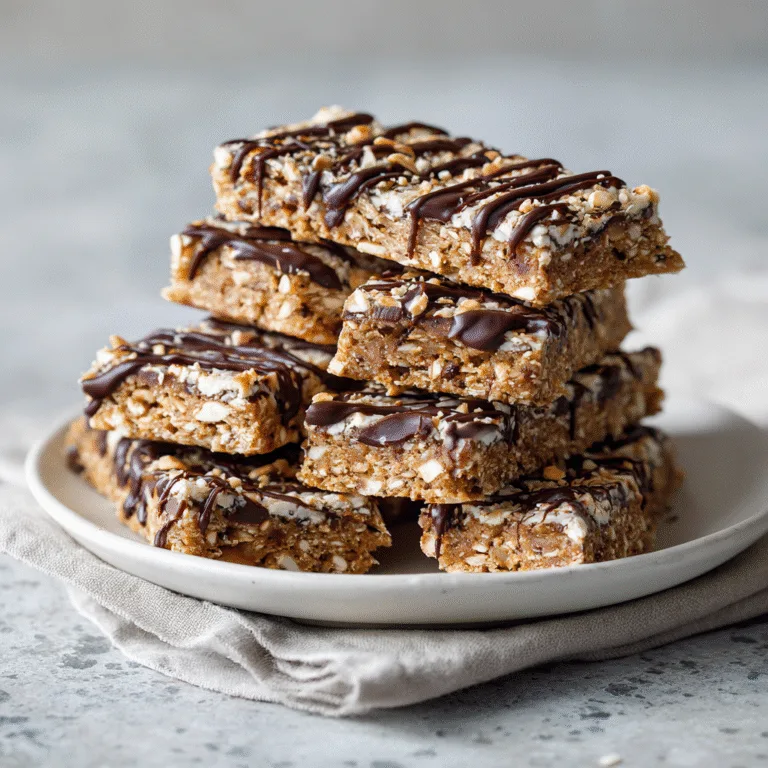
Almond Flour Chocolate Chip Cookies – Tasty and Easy: The Perfect Gluten-Free Treat
When it comes to creating delicious gluten-free desserts that don’t compromise on taste or texture, these Almond Flour Chocolate Chip Cookies are absolute game-changers. These incredibly tasty and surprisingly easy cookies prove that gluten-free baking can produce results that are just as satisfying as traditional recipes, if not more so. With their perfectly chewy texture, rich almond flavor, and generous chocolate chips, these cookies have converted even the most skeptical gluten-free doubters.
What makes these cookies truly special is how they achieve that perfect cookie texture using only wholesome, nutrient-dense ingredients. Almond flour provides a naturally sweet, nutty base that complements chocolate beautifully while offering significantly more protein and healthy fats than traditional wheat flour. The result is a cookie that’s not only delicious but also more nutritionally balanced than conventional versions.
These cookies have gained popularity among various dietary communities, from those following gluten-free lifestyles to keto and paleo enthusiasts. The recipe’s simplicity means that even novice bakers can achieve professional-quality results, while the short ingredient list makes it accessible for last-minute cravings or unexpected guests.

Understanding Almond Flour Baking
Baking with almond flour requires a different approach than traditional wheat flour, but once you understand the fundamentals, it opens up a world of delicious possibilities. Almond flour is made from finely ground blanched almonds, creating a flour that’s naturally gluten-free, grain-free, and packed with protein and healthy fats.
The key difference between almond flour and traditional flour lies in its fat content and lack of gluten. While gluten provides structure in traditional baking, almond flour relies on eggs and other binding agents to create the desired texture. This results in cookies that are naturally more tender and have a slightly denser, more satisfying bite.
Moisture content is crucial when working with almond flour. Because it’s more absorbent than wheat flour, recipes often require adjustments to liquid ingredients. These cookies achieve the perfect balance by using eggs as both a binding agent and moisture source, while a small amount of coconut oil adds richness without making the cookies greasy.
The Science of Perfect Texture
Achieving the ideal chewy yet tender texture in almond flour cookies requires understanding how the ingredients interact. The natural oils in almond flour contribute to the cookies’ rich mouthfeel, while the protein content helps create structure. Unlike wheat-based cookies that can become tough from overmixing, almond flour cookies benefit from thorough mixing to ensure even distribution of ingredients.
Temperature control plays a crucial role in the final texture. Baking at the right temperature ensures the cookies set properly without becoming dry or crumbly. The sugars in the recipe not only provide sweetness but also contribute to the cookies’ texture by helping them retain moisture and achieve that perfect chewy consistency.
The resting time before baking allows the almond flour to fully hydrate, which improves both texture and flavor. This brief waiting period ensures that the finished cookies have a uniform texture throughout and prevents any grittiness that can sometimes occur with almond flour baking.
Chocolate Chip Selection and Distribution
The choice of chocolate chips significantly impacts both flavor and texture. Dark chocolate chips provide a sophisticated contrast to the sweet, nutty almond base, while semi-sweet chips offer a more traditional chocolate chip cookie experience. For those following strict dietary guidelines, sugar-free chocolate chips work beautifully without compromising taste.
The size and distribution of chocolate chips affect both appearance and eating experience. Standard-sized chips provide familiar comfort, while mini chips distribute more evenly throughout the cookies for chocolate in every bite. Some bakers prefer chopping a chocolate bar into irregular pieces, which creates varying sizes and intensities of chocolate flavor.
Proper incorporation technique ensures even distribution without breaking the chocolate chips. Gently folding the chips into the dough at the end of mixing prevents them from sinking to the bottom during baking and maintains their shape and distinct chocolate flavor bursts.
Health Benefits and Nutritional Advantages
These almond flour cookies offer significant nutritional advantages over traditional wheat-based versions. Almond flour is naturally rich in vitamin E, magnesium, and healthy monounsaturated fats that support heart health and provide sustained energy. The protein content is substantially higher than wheat flour, making these cookies more satisfying and less likely to cause blood sugar spikes.
For those managing diabetes or following low-glycemic eating plans, these cookies can be made with sugar alternatives without sacrificing taste or texture. Coconut sugar, monk fruit sweetener, or erythritol all work well, though each may slightly alter the final texture and sweetness level.
The absence of gluten makes these cookies suitable for those with celiac disease or gluten sensitivity, while the grain-free nature appeals to paleo and primal eating enthusiasts. The nutrient density means that even as a treat, these cookies contribute beneficial nutrients rather than empty calories.

Storage and Freshness Tips
Proper storage is essential for maintaining the ideal texture and flavor of almond flour cookies. Because almond flour contains natural oils, these cookies are more susceptible to rancidity than wheat-based versions if stored improperly. Room temperature storage in an airtight container keeps them fresh for up to one week.
For longer storage, these cookies freeze exceptionally well. Place them in freezer-safe containers with parchment paper between layers to prevent sticking. Properly stored frozen cookies maintain their quality for up to three months and can be thawed at room temperature in just minutes.
The dough itself can also be prepared ahead and frozen, making it easy to have fresh cookies whenever cravings strike. Scoop the dough into individual portions, freeze on a baking sheet, then transfer to freezer bags. These can be baked directly from frozen with just an extra minute or two of baking time.
Troubleshooting Common Issues
Even with a straightforward recipe, understanding common issues can help ensure perfect results every time. If cookies spread too much during baking, the dough may be too warm or contain too much oil. Chilling the dough for 30 minutes before baking usually resolves this issue.
Crumbly cookies often result from insufficient binding agents or overly dry almond flour. Adding an extra egg yolk or a tablespoon of coconut oil can improve binding and create a more cohesive texture. Conversely, if cookies are too dense, reducing the almond flour slightly or adding a small amount of baking powder can lighten the texture.
Uneven browning typically indicates oven hot spots or improper rack positioning. Using parchment paper and rotating the baking sheet halfway through baking ensures even cooking. Light-colored baking sheets also promote more even browning than dark pans.
Creative Variations and Add-ins
The basic almond flour chocolate chip cookie recipe serves as an excellent foundation for numerous variations. Chopped nuts like pecans or walnuts add extra crunch and complement the almond base beautifully. Dried fruits such as cranberries or cherries provide bursts of tartness that balance the sweet chocolate.
Spice variations can transform these cookies into sophisticated treats. A pinch of cinnamon and nutmeg creates warmth and complexity, while orange zest adds bright, citrusy notes that pair wonderfully with dark chocolate. For coffee lovers, a teaspoon of instant espresso powder intensifies the chocolate flavor and adds subtle coffee undertones.
Seasonal adaptations keep the recipe interesting year-round. Pumpkin spice versions for fall, peppermint extract for winter holidays, or coconut flakes for tropical summer variations all work beautifully with the almond flour base.
Ingredients
- 3 cups almond flour
- 1/2 cup coconut oil, melted and cooled
- 1/2 cup coconut sugar or brown sugar
- 2 large eggs
- 1 teaspoon vanilla extract
- 1/2 teaspoon baking soda
- 1/2 teaspoon salt
- 3/4 cup dark chocolate chips
- 1/4 cup chopped almonds (optional)
- 1 tablespoon honey or maple syrup
- 1/2 teaspoon almond extract

Instructions
- Preheat oven to 350°F (175°C) and line baking sheets with parchment paper.
- In a large bowl, whisk together melted coconut oil, coconut sugar, eggs, vanilla extract, and almond extract until well combined.
- In a separate bowl, combine almond flour, baking soda, and salt.
- Add the dry ingredients to the wet ingredients and mix until a cohesive dough forms.
- Fold in chocolate chips and chopped almonds if using, distributing evenly throughout the dough.
- Let dough rest for 10 minutes to allow almond flour to hydrate properly.
- Using a cookie scoop or spoon, drop rounded tablespoons of dough onto prepared baking sheets, spacing 2 inches apart.
- Gently flatten each cookie slightly with your fingers or the back of a spoon.
- Bake for 12-15 minutes until edges are golden brown but centers still look slightly soft.
- Cool on baking sheet for 5 minutes before transferring to wire rack to cool completely.
Almond Flour Chocolate Chip Cookies – Tasty and Easy
Ingredients
Equipment
Method
- Preheat oven to 350°F (175°C) and line baking sheets with parchment paper.
- In a large bowl, whisk together melted coconut oil, coconut sugar, eggs, vanilla extract, and almond extract until well combined.
- In a separate bowl, combine almond flour, baking soda, and salt.
- Add the dry ingredients to the wet ingredients and mix until a cohesive dough forms.
- Fold in chocolate chips and chopped almonds if using, distributing evenly throughout the dough.
- Let dough rest for 10 minutes to allow almond flour to hydrate properly.
- Using a cookie scoop or spoon, drop rounded tablespoons of dough onto prepared baking sheets, spacing 2 inches apart.
- Gently flatten each cookie slightly with your fingers or the back of a spoon.
- Bake for 12-15 minutes until edges are golden brown but centers still look slightly soft.
- Cool on baking sheet for 5 minutes before transferring to wire rack to cool completely.