Philly Cheesesteak Rolls: The Ultimate Fusion Appetizer That Will Steal Every Party
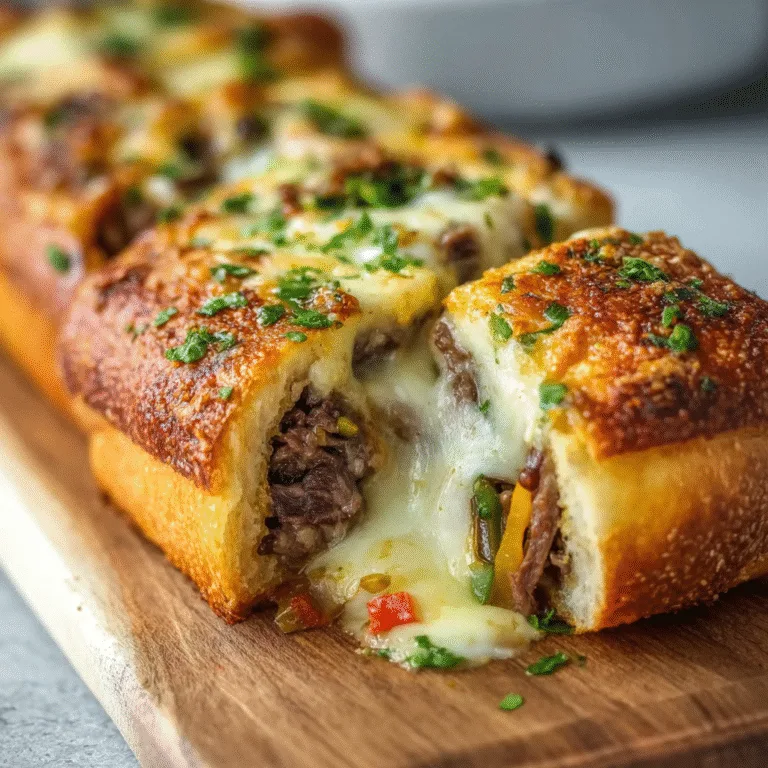
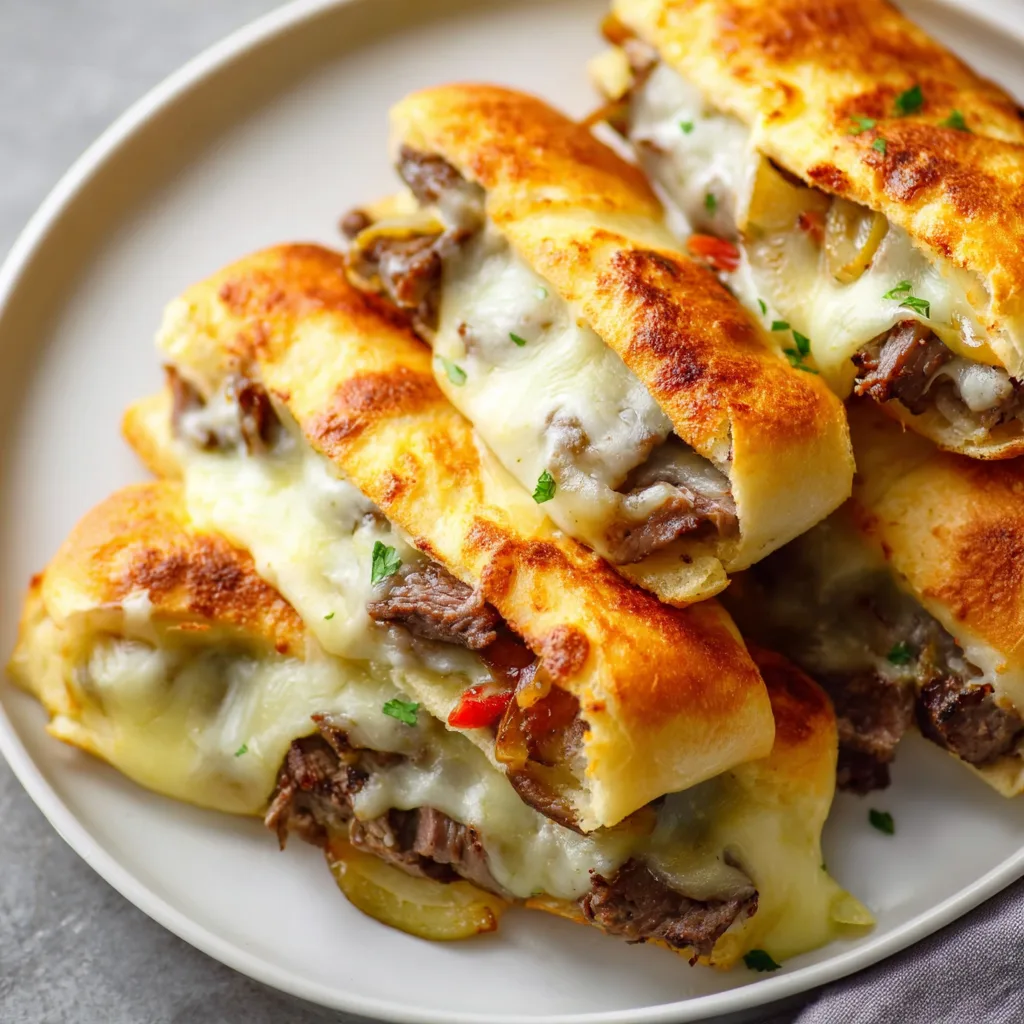
When the iconic flavors of Philadelphia’s most famous sandwich meet the crispy, golden perfection of egg rolls, culinary magic happens. These Philly Cheesesteak Rolls transform the beloved street food classic into an irresistible appetizer that combines tender ribeye steak, sautéed peppers and onions, and melted cheese all wrapped in a perfectly crispy shell. Whether you’re hosting game day parties, looking for crowd-pleasing appetizers, or simply want to experience familiar flavors in an exciting new format, these rolls deliver restaurant-quality results that will have everyone asking for the recipe.
The Birth of Fusion Perfection
The genius of Philly Cheesesteak Rolls lies in how they capture the essence of an authentic Philly cheesesteak while transforming it into something entirely new. Traditional cheesesteaks are messy, require two hands, and can be challenging to serve at parties. These rolls solve all those problems while intensifying the flavors through the concentrated filling and crispy exterior that adds textural excitement to every bite.
The key to success lies in understanding what makes both components great. An authentic Philly cheesesteak depends on thinly sliced ribeye, properly caramelized onions, and the right cheese choice. The egg roll wrapper provides the perfect vehicle – thin enough not to overwhelm the filling, yet sturdy enough to contain all the delicious ingredients while achieving that coveted golden crispiness.
Mastering the Art of the Filling
Creating the perfect cheesesteak filling for egg rolls requires adapting traditional techniques to work within the confines of a wrapper. The meat must be cooked until tender but not overcooked, as it will continue to cook during the frying process. Ribeye is the traditional choice, but sirloin or even chicken can work beautifully when sliced paper-thin and seasoned properly.
The vegetables require careful attention to moisture content. Onions and peppers must be sautéed until caramelized and most of their moisture has evaporated. Excess moisture is the enemy of crispy egg rolls – it can cause the wrappers to become soggy or burst during cooking. The cheese component needs special consideration too, as it must melt properly without becoming too runny or causing the rolls to leak.
The Science of Perfect Egg Roll Assembly
Proper assembly technique is crucial for both appearance and structural integrity. The filling must be cooled completely before wrapping – hot filling will melt the wrapper and make sealing impossible. The amount of filling is critical – too little and the rolls seem empty, too much and they’ll burst during cooking or be difficult to seal properly.
The sealing technique using egg wash creates an airtight seal that prevents oil from entering the roll during frying while ensuring the wrapper stays closed. The diamond fold method provides the most secure seal while creating attractive, uniform rolls that cook evenly and present beautifully.
Oil Temperature and Frying Mastery
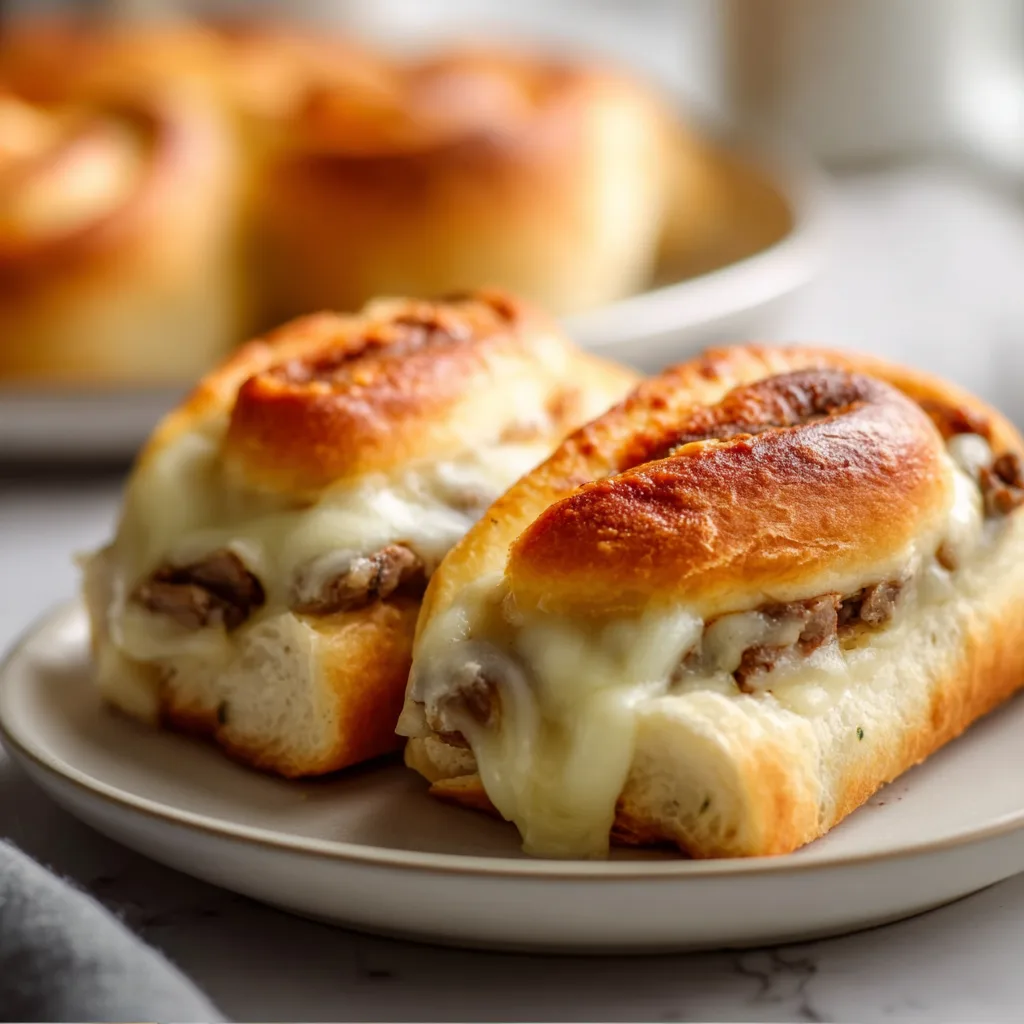
Achieving restaurant-quality results requires understanding oil temperature and frying techniques. The oil must be at exactly the right temperature – too low and the rolls absorb excess oil becoming greasy, too high and the exterior burns before the filling heats through. A candy thermometer or infrared thermometer ensures accuracy.
The frying process happens in stages. The initial high heat creates the crispy exterior, then the residual heat finishes cooking the filling. Don’t overcrowd the pan, as this drops the oil temperature and results in greasy, unevenly cooked rolls. Proper drainage on paper towels or a wire rack prevents the bottoms from becoming soggy.
Cheese Selection and Melting Techniques
The cheese choice significantly impacts both flavor and texture. Traditional Philly cheesesteaks use American cheese, Cheez Whiz, or provolone. For egg rolls, a combination works best – American cheese for authentic flavor and easy melting, combined with a sharper cheese like aged white cheddar for complexity.
Pre-shredding or cubing the cheese ensures even distribution and proper melting. The cheese should be added to the slightly cooled meat mixture to prevent it from completely melting before assembly, which would create a messy, difficult-to-handle filling.
Make-Ahead Strategies and Storage
These rolls are excellent for entertaining because they can be prepared in advance. Assembled rolls can be refrigerated for up to 24 hours before frying, actually improving as the flavors meld together. For longer storage, freeze the assembled but uncooked rolls on a baking sheet, then transfer to freezer bags once solid.
Frozen rolls can be fried directly from the freezer – just add a few extra minutes to the cooking time and reduce the temperature slightly to ensure the filling heats through completely. This makes them perfect for unexpected guests or when you want fresh, hot appetizers without last-minute preparation.
Serving Suggestions and Accompaniments
While these rolls are delicious on their own, the right dipping sauces elevate them to restaurant status. A warm cheese sauce mimics the traditional cheesesteak experience, while marinara adds Italian-American flair. Ranch dressing provides cooling contrast, and a spicy aioli brings heat and richness.
Presentation matters for party foods. Serve on a warming tray to maintain temperature, garnish with fresh herbs for color, and provide small plates and napkins. Cut rolls in half diagonally to show off the colorful filling and make them easier to eat as finger food.
Nutritional Considerations and Modifications
While these are indulgent appetizers, they can be modified for various dietary needs. Baked versions use less oil while still achieving good results – brush with oil and bake at high temperature, flipping once during cooking. Turkey or chicken can replace beef for lower fat content, while vegetarian versions using mushrooms and additional vegetables work surprisingly well.
For those watching sodium, using fresh ingredients instead of processed cheese and controlling salt during seasoning helps manage intake. The portion-controlled format naturally helps with calorie management compared to full-sized sandwiches.
Equipment and Safety Considerations
A heavy-bottomed pot or deep fryer maintains steady oil temperature better than thin pans. Long tongs or a spider strainer ensure safe handling of hot oil. A splatter screen reduces mess and improves safety. Never leave hot oil unattended, and have a fire extinguisher nearby as a safety precaution.
Proper oil disposal is important – never pour used oil down drains. Let it cool completely, then dispose of according to local regulations or reuse for future frying if it’s still clean.
Troubleshooting Common Issues
Several problems can affect success with these rolls. If they burst during cooking, the filling was too hot when assembled, there was too much filling, or the seal wasn’t secure. If they’re greasy, the oil temperature was too low or they weren’t drained properly.
Uneven browning usually results from overcrowding the pan or inconsistent oil temperature. Soggy wrappers indicate the filling contained too much moisture or the rolls sat too long after frying without proper drainage.
Creative Variations and Flavor Twists
Once you master the basic technique, variations are endless. Buffalo chicken cheesesteak rolls add hot sauce and blue cheese. Pizza rolls incorporate pepperoni and mozzarella. Breakfast versions use scrambled eggs, cheese, and breakfast meat.
Regional adaptations can showcase local flavors – California versions might include avocado, while Southwestern varieties could feature jalapeños and pepper jack cheese. Each variation follows the same basic principles while offering unique flavor profiles.
Ingredients
For the Filling:
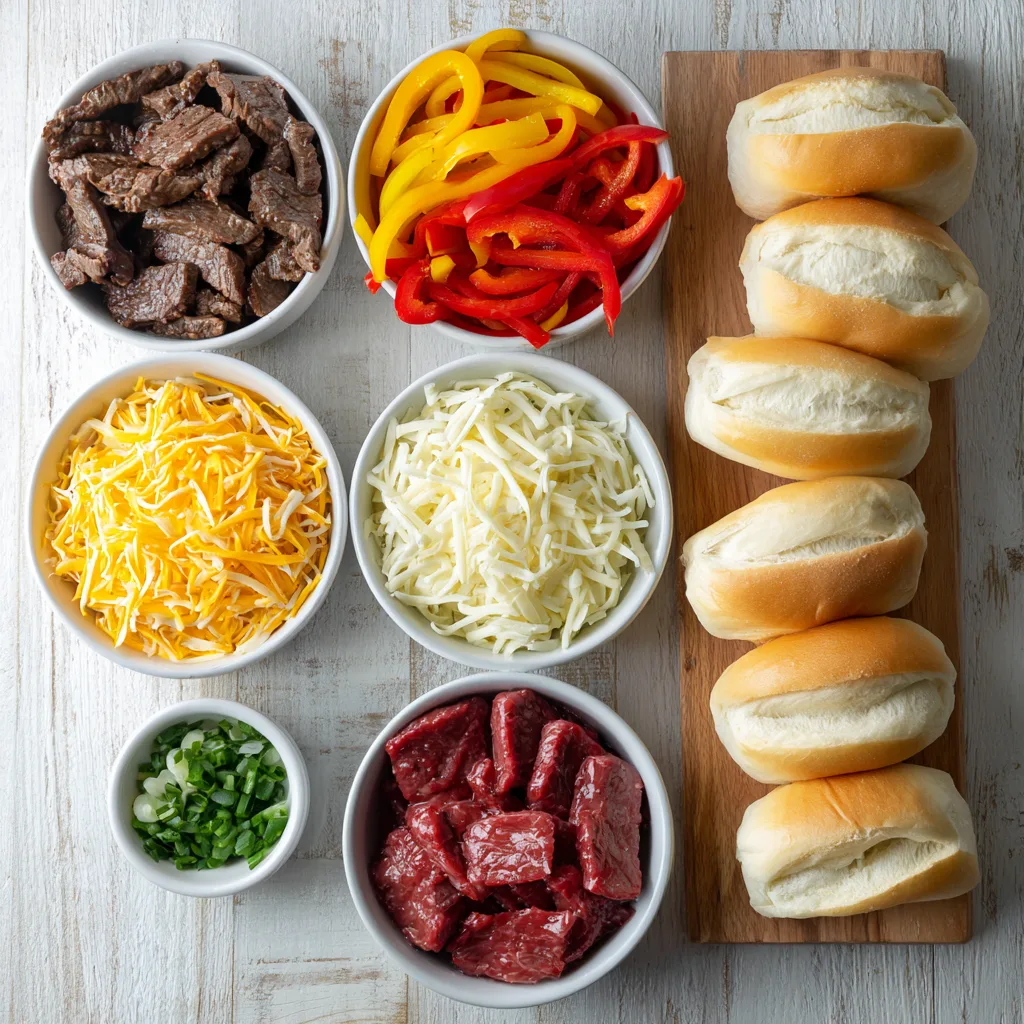
- 1 pound ribeye steak, thinly sliced (or sirloin)
- 1 large onion, thinly sliced
- 1 large green bell pepper, thinly sliced
- 2 tablespoons vegetable oil
- 2 cloves garlic, minced
- 1 teaspoon Worcestershire sauce
- Salt and black pepper to taste
- 1 cup American cheese, cubed
- 1/2 cup provolone cheese, shredded
For Assembly:
- 12-15 egg roll wrappers
- 1 egg, beaten (for sealing)
- Oil for deep frying (about 4 cups)
For Serving:
- Warm cheese sauce
- Marinara sauce
- Ranch dressing
- Fresh parsley for garnish
Instructions
- Prepare the steak: Slice ribeye as thinly as possible against the grain. Freezing the steak for 30 minutes beforehand makes slicing easier and more uniform.
- Cook the vegetables: Heat 1 tablespoon oil in large skillet over medium-high heat. Add sliced onions and peppers, cook 8-10 minutes until caramelized and most moisture has evaporated.
- Add aromatics: Add minced garlic to vegetables and cook 1 minute until fragrant. Remove vegetables from skillet and set aside to cool.
- Cook the steak: In same skillet, heat remaining oil over high heat. Add sliced steak and cook quickly, 2-3 minutes, stirring frequently until just cooked through.
- Combine filling: Add Worcestershire sauce, salt, and pepper to steak. Return vegetables to pan and toss to combine. Remove from heat and let cool completely.
- Add cheese: Once filling is cool, fold in American and provolone cheeses. Mix gently to distribute evenly without melting the cheese completely.
- Heat oil: In heavy pot or deep fryer, heat oil to 350°F (175°C). Use candy thermometer to monitor temperature accuracy throughout frying process.
- Assemble rolls: Place 2-3 tablespoons filling diagonally across lower third of egg roll wrapper. Fold bottom corner over filling, then fold in sides tightly.
- Seal rolls: Roll tightly toward top corner, brushing edges with beaten egg. Press firmly to seal, ensuring no air pockets remain inside the roll.
- Fry in batches: Carefully place 3-4 rolls in hot oil, seam side down first. Fry 2-3 minutes until golden brown, turning once to cook evenly.
- Drain properly: Remove with slotted spoon and drain on paper towels or wire rack for 2-3 minutes to remove excess oil and prevent sogginess.
- Serve immediately: Arrange on serving platter, garnish with fresh parsley, and serve hot with warm cheese sauce and other desired dipping sauces.
Philly Cheesesteak Rolls
Ingredients
Equipment
Method
- Slice ribeye as thinly as possible against the grain. Freezing 30 minutes beforehand makes slicing easier.
- Heat 1 tablespoon oil in large skillet over medium-high heat. Cook onions and peppers 8-10 minutes until caramelized.
- Add minced garlic to vegetables and cook 1 minute until fragrant. Remove from skillet and set aside to cool.
- In same skillet, heat remaining oil over high heat. Add steak and cook 2-3 minutes, stirring frequently until cooked.
- Add Worcestershire sauce, salt, and pepper to steak. Return vegetables to pan and toss. Let cool completely.
- Once filling is cool, fold in American and provolone cheeses. Mix gently to distribute evenly.
- In heavy pot, heat oil to 350°F (175°C). Use candy thermometer to monitor temperature throughout frying.
- Place 2-3 tablespoons filling diagonally across lower third of egg roll wrapper. Fold bottom corner over filling.
- Fold in sides tightly, then roll toward top corner, brushing edges with beaten egg. Press firmly to seal.
- Carefully place 3-4 rolls in hot oil, seam side down. Fry 2-3 minutes until golden, turning once.
- Remove with slotted spoon and drain on paper towels or wire rack for 2-3 minutes to remove excess oil.
- Arrange on serving platter, garnish with parsley, and serve hot with cheese sauce and dipping sauces.
Notes
These Philly Cheesesteak Rolls represent the perfect marriage of classic comfort food and modern appetizer innovation – delivering familiar flavors in an exciting new format that’s guaranteed to impress at any gathering.