Southern Fried Apples: The Comfort Food Side Dish That Steals Every Show
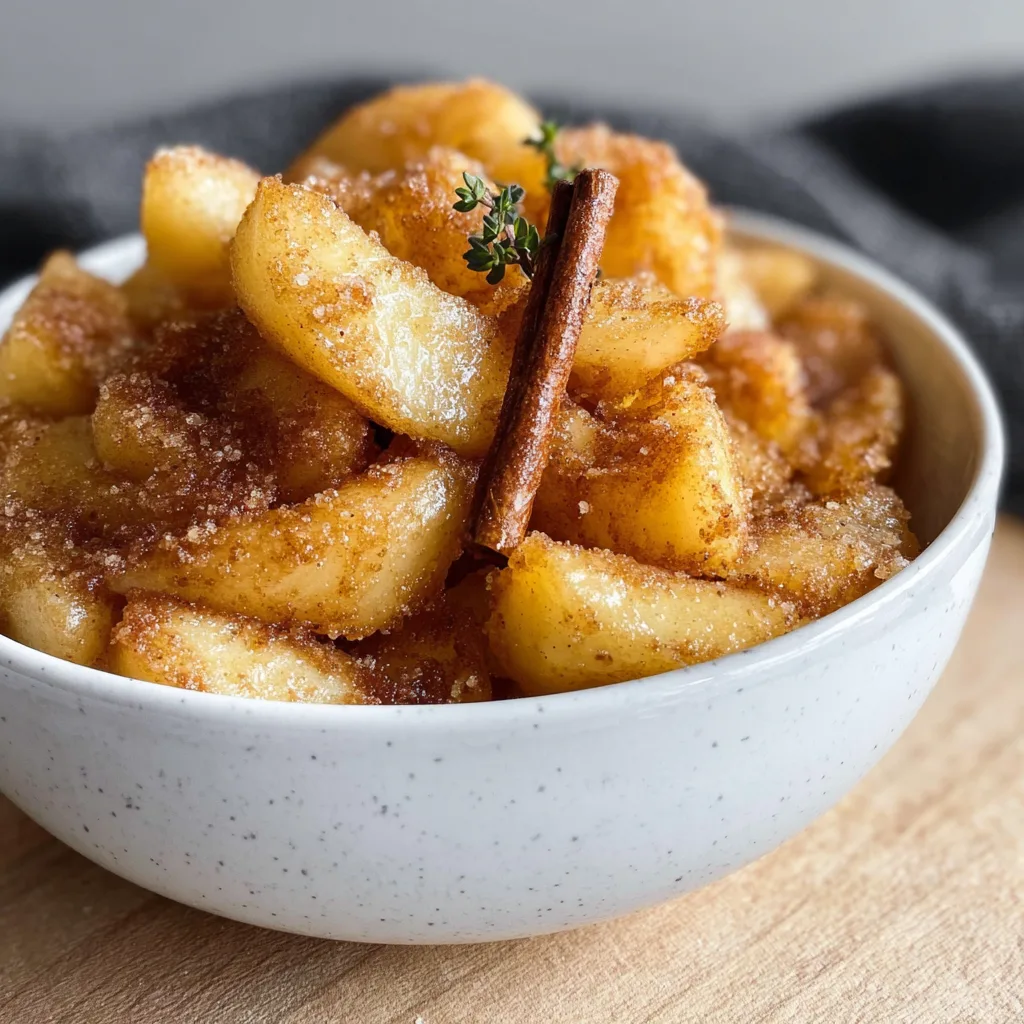
There’s something deeply magical about the aroma of Southern Fried Apples sizzling in a cast iron skillet – the sweet fragrance of caramelizing apples mingling with warm cinnamon and butter creates an instant sense of home and comfort. This beloved Southern classic transforms simple apples into a gloriously tender, golden side dish that’s equally at home alongside crispy fried chicken, fluffy biscuits, or piled high on vanilla ice cream for an unforgettable dessert. It’s comfort food at its finest, representing generations of Southern cooking tradition in every perfectly caramelized bite.
The Heart of Southern Tradition
Southern Fried Apples represent more than just a recipe – they embody the essence of Southern hospitality and resourcefulness. Born from the necessity of preserving apple harvests and creating satisfying sides from simple ingredients, this dish has graced Southern tables for generations. The technique of slowly cooking apples in butter until they reach that perfect balance of tender and slightly caramelized reflects the Southern approach to cooking: taking time to develop deep, rich flavors that satisfy both body and soul.
The beauty of this dish lies in its simplicity and the way it transforms humble ingredients into something extraordinary. Fresh apples, butter, sugar, and spices combine through the magic of slow cooking to create complex flavors that taste like they took hours to develop, when in reality, the active cooking time is minimal.
The Science of Perfect Apple Selection
Choosing the right apples is crucial to achieving the ideal texture and flavor balance. The best fried apples maintain some structure after cooking while developing a tender, almost custard-like interior. Granny Smith apples are the gold standard – their tartness balances the added sweetness while their firm texture holds up beautifully during the cooking process.
However, mixing apple varieties creates even more complex flavors. Combining tart Granny Smiths with sweet Honeycrisp or Gala apples provides layers of flavor that develop differently as they cook. The tart apples maintain structure while the sweeter varieties break down slightly, creating a sauce-like consistency that binds everything together.
Mastering the Caramelization Process
The key to exceptional fried apples lies in understanding the caramelization process. This isn’t simply about cooking apples in butter – it’s about controlling heat and timing to develop deep, complex flavors while maintaining the perfect texture. The process begins with creating a light caramel from butter and sugar, which provides the foundation for all the flavors that follow.
Temperature control is crucial throughout the cooking process. Too high heat causes the sugars to burn before the apples properly cook, while too low heat prevents proper caramelization. The sweet spot is medium to medium-low heat, which allows the sugars to develop beautiful golden colors while the apples cook evenly.
The Magic of Spice Combinations
Traditional Southern Fried Apples rely primarily on cinnamon for their signature flavor, but the spice blend can be customized to create unique variations. Cinnamon provides warmth and familiarity, while a touch of nutmeg adds depth and complexity. A pinch of allspice or cardamom can elevate the dish to restaurant quality.
The timing of spice addition matters too. Adding spices too early can cause them to burn and become bitter, while adding them too late doesn’t allow enough time for the flavors to meld. The optimal time is after the initial caramelization has begun but before the apples are fully tender.
Texture Perfection: The Balance of Tender and Firm
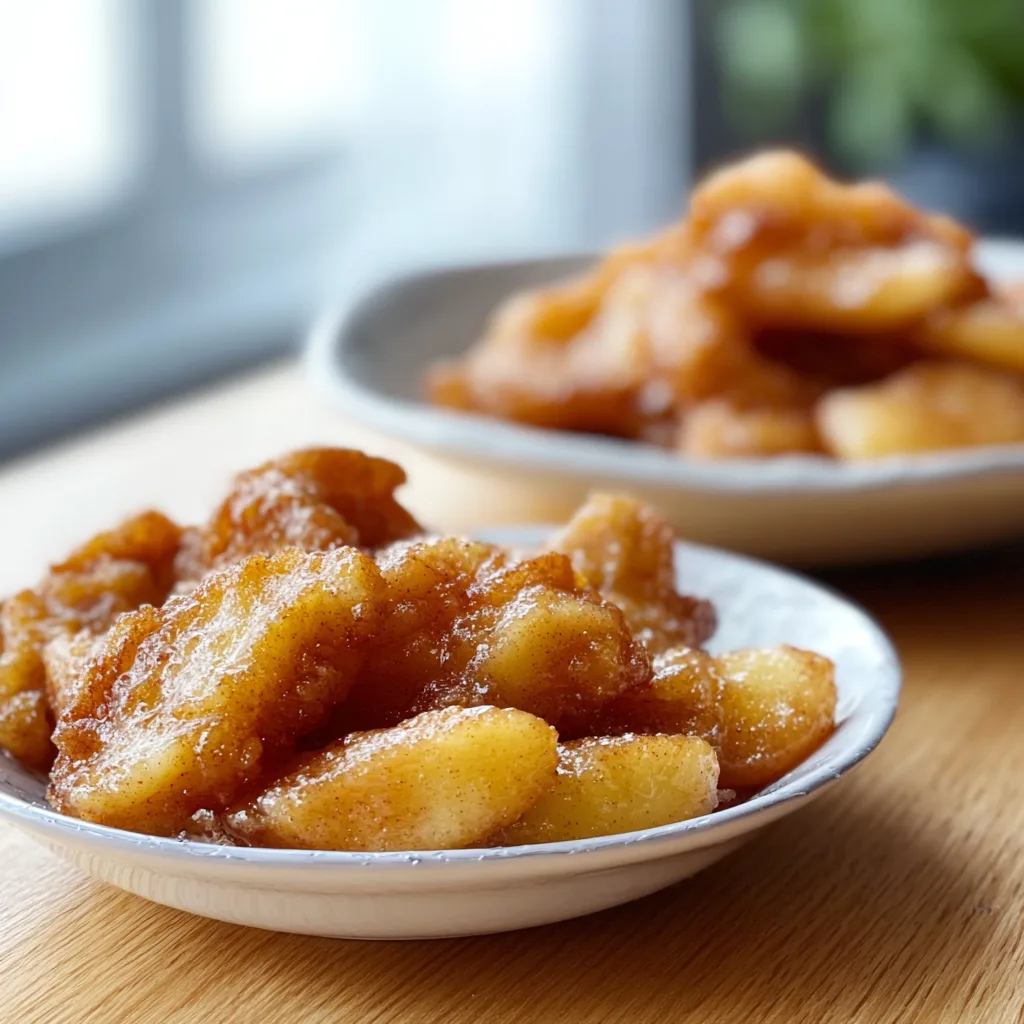
Achieving the perfect texture requires understanding how different cooking methods affect the apples. The goal is apples that are tender enough to cut with a fork but still maintain enough structure to not become mushy. This requires careful attention to cooking time and heat level.
The slicing technique also impacts final texture. Uniform slices ensure even cooking, while the thickness determines how much structure remains after cooking. Quarter-inch slices provide the ideal balance – thick enough to maintain some bite but thin enough to cook evenly and absorb the flavors.
Sweetness Balance and Natural Sugars
The beauty of well-made fried apples lies in balancing added sweetness with the natural sugars in the apples themselves. Different apple varieties contain varying amounts of natural sugars, which means the amount of added sugar should be adjusted accordingly. Tart apples require more added sweetness, while naturally sweet varieties need less.
Brown sugar is traditional and adds molasses notes that complement the butter beautifully, but white sugar, maple syrup, or honey can create interesting variations. The key is tasting as you go and adjusting the sweetness to complement, not overpower, the natural apple flavors.
Butter Quality and Technique
The quality and handling of butter significantly impacts the final dish. Real butter is essential – margarine or substitutes simply don’t provide the rich flavor and proper browning characteristics needed for authentic fried apples. The butter should be allowed to melt completely and begin to foam slightly before adding the sugar, which indicates the water has evaporated and caramelization can begin.
Some recipes call for a combination of butter and a neutral oil to prevent burning, but traditional Southern cooks rely on temperature control and patience to achieve perfect results with butter alone. The key is maintaining moderate heat and stirring frequently to prevent hot spots.
Seasonal Variations and Adaptations
While fried apples are delicious year-round, seasonal adaptations can keep this classic dish fresh and interesting. Fall versions might include a splash of apple cider or bourbon for deeper flavor, while winter variations could incorporate dried cranberries or chopped pecans for textural contrast.
Spring and summer versions can be lightened with fresh herbs like thyme or rosemary, which add unexpected complexity. The key is maintaining the essential character of the dish while introducing complementary flavors that enhance rather than overwhelm the apple base.
Serving Versatility: From Side Dish to Dessert
One of the greatest strengths of Southern Fried Apples is their incredible versatility. As a side dish, they complement virtually any protein – from fried chicken and pork chops to holiday ham and turkey. The sweet-savory balance makes them particularly good with rich, salty foods.
As a dessert, they transform completely when served warm over vanilla ice cream, stirred into oatmeal, or used as a topping for pancakes or waffles. They can even be incorporated into baked goods like muffins or coffee cake for added moisture and flavor.
Make-Ahead Strategies and Storage
Fried apples are excellent for make-ahead preparation, actually improving in flavor as they sit and the spices meld together. They can be prepared up to three days in advance and reheated gently on the stovetop or in the microwave. The texture may soften slightly during storage, but the flavors intensify.
For longer storage, fried apples freeze beautifully for up to three months. Thaw overnight in the refrigerator and reheat gently, adding a splash of apple juice or water if needed to restore the proper consistency.
Equipment and Technique Tips
A heavy-bottomed skillet, preferably cast iron, provides the best heat distribution and retention for even cooking. Cast iron also adds a subtle flavor that complements the apples beautifully. If cast iron isn’t available, a heavy stainless steel or enameled skillet works well.
A wooden spoon is ideal for stirring, as it won’t scratch the pan surface and provides gentle mixing that won’t break up the apple slices. Sharp knives ensure clean cuts that maintain apple structure during cooking.
Troubleshooting Common Issues
Several common problems can affect fried apples. If they become too mushy, the heat was too high or the cooking time too long. If they’re too firm, increase cooking time or slice them thinner. If the sauce is too thin, uncover the pan and let excess moisture evaporate. If too thick, add a splash of apple juice or water.
Burnt or bitter flavors usually result from too high heat or not stirring frequently enough. The key is patience – good fried apples can’t be rushed, and maintaining moderate heat throughout the process ensures even cooking and proper flavor development.
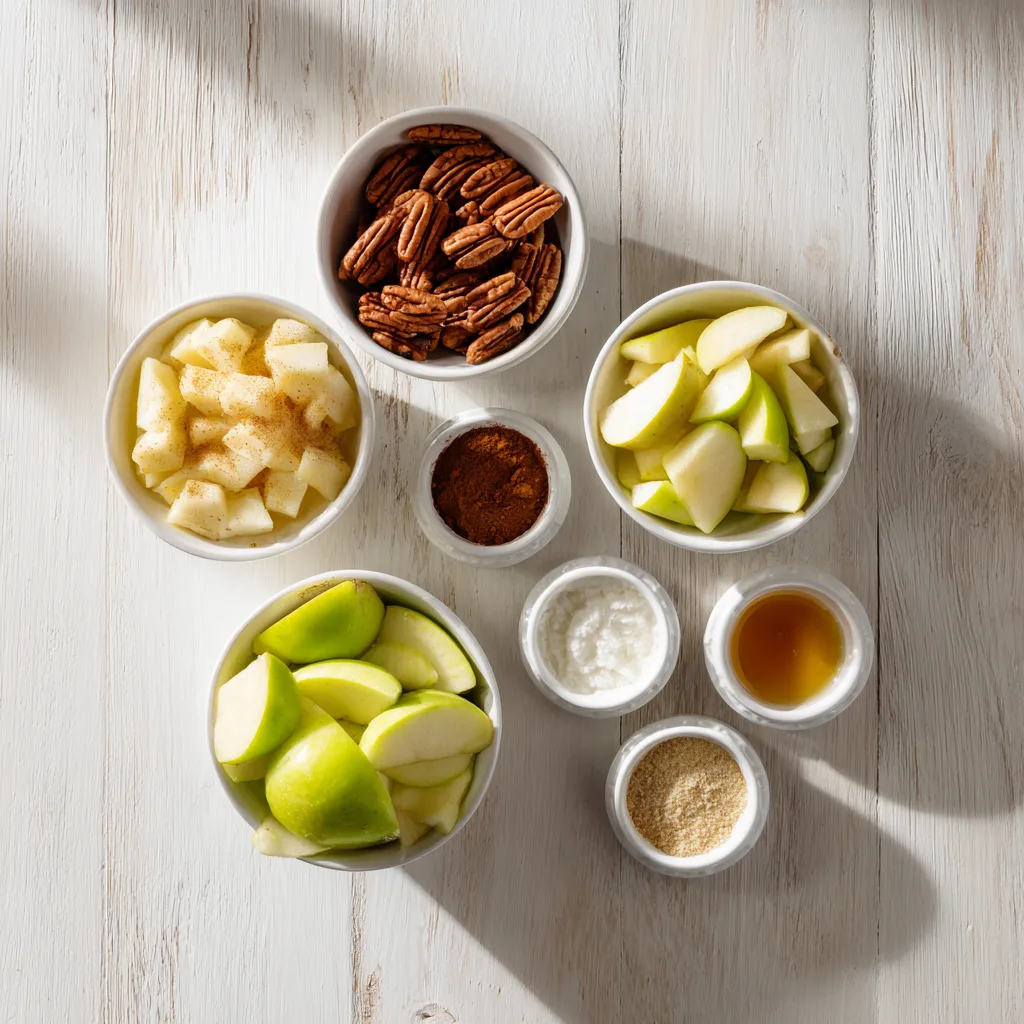
Ingredients
For the Fried Apples:
- 6 large Granny Smith apples, peeled and sliced into 1/4-inch wedges
- 4 tablespoons unsalted butter
- 1/3 cup packed light brown sugar
- 1 teaspoon ground cinnamon
- 1/4 teaspoon ground nutmeg
- 1/8 teaspoon salt
- 2 tablespoons apple juice or water (if needed)
- 1 teaspoon vanilla extract
Optional Enhancements:
- 1 tablespoon bourbon or rum
- 1/4 cup chopped pecans
- 1/4 teaspoon ground allspice
- 1 tablespoon maple syrup
- Pinch of ground ginger
Instructions
- Prepare the apples: Peel, core, and slice apples into uniform 1/4-inch wedges. Keep slices consistent for even cooking throughout the batch.
- Heat the skillet: In large cast iron skillet or heavy-bottomed pan, melt butter over medium heat until it begins to foam slightly but doesn’t brown.
- Create the base: Add brown sugar to melted butter and stir until dissolved and mixture begins to bubble gently. This creates the caramelized base.
- Add the apples: Carefully add apple slices to the skillet in single layer if possible. Don’t overcrowd – cook in batches if necessary for best results.
- Season generously: Sprinkle cinnamon, nutmeg, and salt evenly over the apples. Stir gently to coat all pieces with the butter-sugar mixture.
- Cook slowly: Reduce heat to medium-low and cook 12-15 minutes, stirring occasionally, until apples are tender but still hold their shape.
- Check consistency: If apples seem dry or are sticking, add apple juice or water, 1 tablespoon at a time. If too liquidy, increase heat slightly and cook uncovered.
- Add final flavors: Stir in vanilla extract during last 2 minutes of cooking. Add any optional enhancements like bourbon or pecans at this time.
- Taste and adjust: Sample and adjust sweetness, spice, or seasoning as needed. Remember, flavors will concentrate slightly as the dish cools.
- Check doneness: Apples should be fork-tender but not mushy, with a glossy, lightly caramelized coating that clings to each piece.
- Rest briefly: Let stand 2-3 minutes off heat to allow flavors to settle and sauce to thicken slightly before serving.
- Serve warm: Present immediately while warm, or keep covered on low heat until ready to serve. Reheat gently if needed.
Southern Fried Apples
Ingredients
Equipment
Method
- Peel, core, and slice apples into uniform 1/4-inch wedges for even cooking throughout.
- In large cast iron skillet, melt butter over medium heat until it begins to foam but doesn’t brown.
- Add brown sugar to melted butter and stir until dissolved and mixture begins to bubble gently.
- Carefully add apple slices to skillet in single layer. Don’t overcrowd – cook in batches if necessary.
- Sprinkle cinnamon, nutmeg, and salt evenly over apples. Stir gently to coat with butter-sugar mixture.
- Reduce heat to medium-low and cook 12-15 minutes, stirring occasionally, until apples are tender but hold shape.
- If apples seem dry, add apple juice 1 tablespoon at a time. If too liquidy, increase heat and cook uncovered.
- Stir in vanilla extract during last 2 minutes. Add optional enhancements like bourbon or pecans now.
- Taste and adjust sweetness, spice, or seasoning as needed. Flavors concentrate as dish cools.
- Check that apples are fork-tender but not mushy, with glossy, caramelized coating on each piece.
- Let stand 2-3 minutes off heat to allow flavors to settle and sauce to thicken slightly.
- Serve immediately while warm, or keep covered on low heat until ready to serve.
Notes
These Southern Fried Apples represent the very best of comfort food cooking – simple ingredients transformed through patience and technique into something that warms both body and soul with every delicious bite.