Olivia Hayes
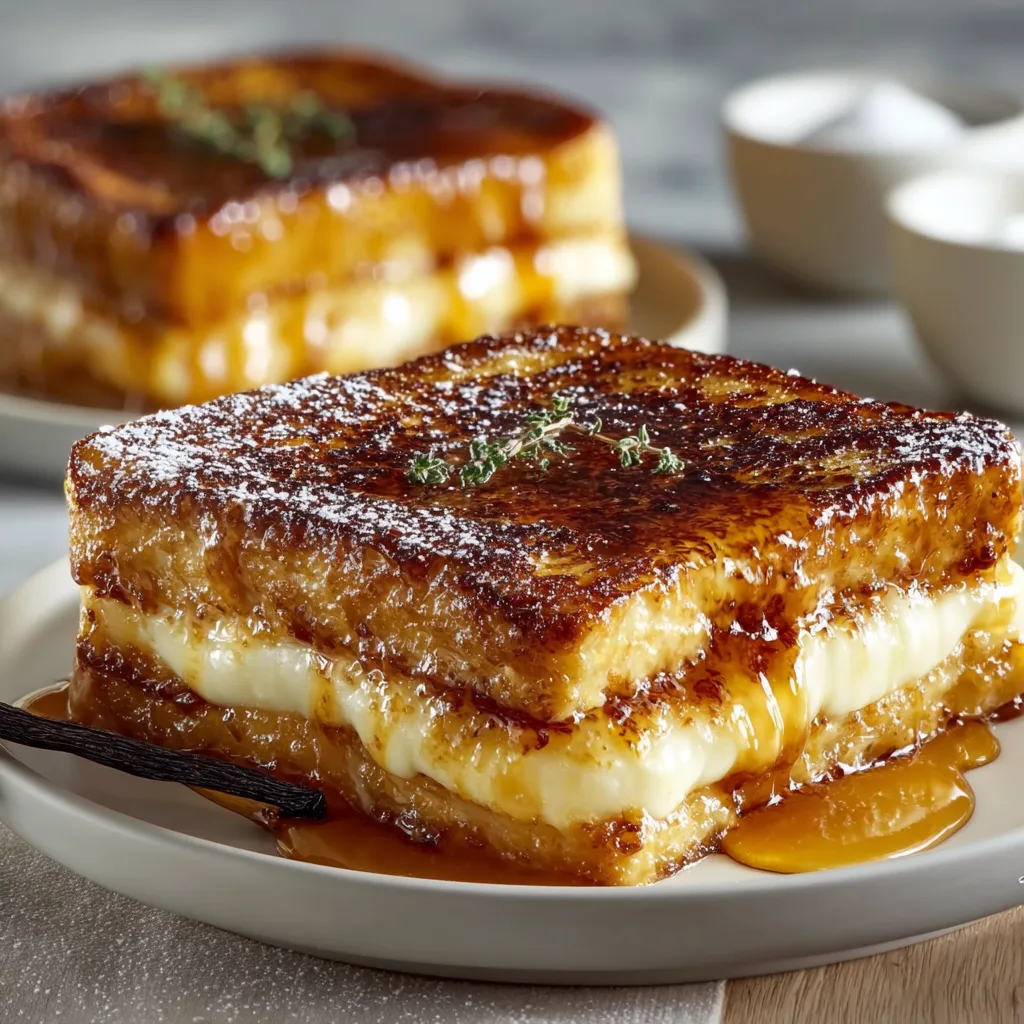
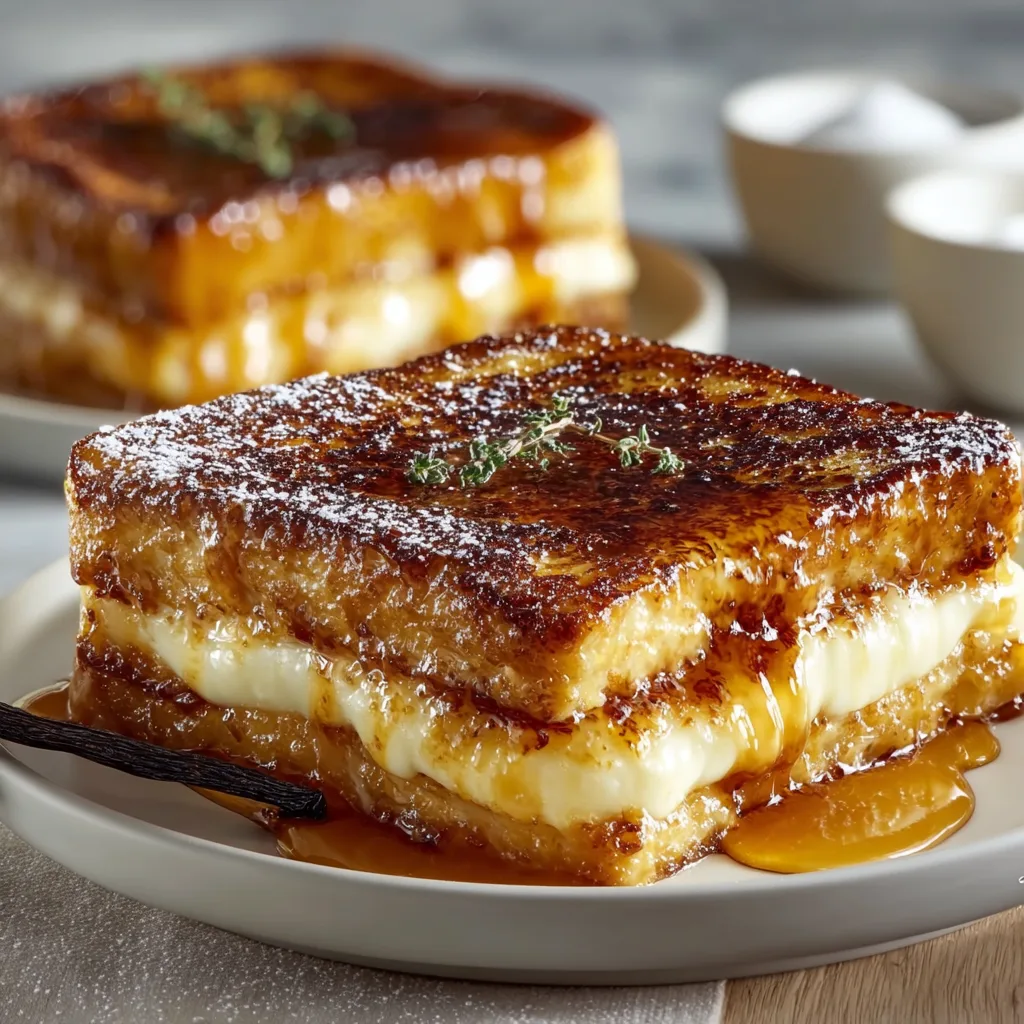
 There’s something irresistible about the sound of a spoon cracking through a crisp caramelized sugar crust, especially when it reveals a soft, custardy center beneath. Crème Brûlée French Toast brings together two beloved classics—luxurious French dessert and cozy breakfast comfort—into one unforgettable dish that feels indulgent yet approachable. It’s the kind of recipe that turns an ordinary morning into something truly special.

Perfect for holidays, weekend brunches, or anytime you want to impress without standing over the stove flipping slices one by one, this baked French toast is designed for ease. Most of the prep happens the night before, allowing the bread to soak up a rich vanilla custard. The next morning, it bakes into a golden, pillowy casserole crowned with a brûléed sugar topping that shatters just like traditional crème brûlée.
What makes this dish so magical is the contrast of textures. The bottom layer is soft and almost pudding-like, infused with cream, vanilla, and butter. The top is crisp, caramelized, and slightly bitter-sweet, balancing the richness beneath. Each bite feels decadent but not overwhelming, especially when paired with fresh berries or a drizzle of warm maple syrup.
Crème brûlée French toast is also incredibly versatile. Serve it as the centerpiece of a holiday breakfast spread, alongside savory dishes like bacon and eggs, or let it stand alone as a show-stopping brunch entrée. Either way, it’s guaranteed to earn rave reviews and requests for the recipe.
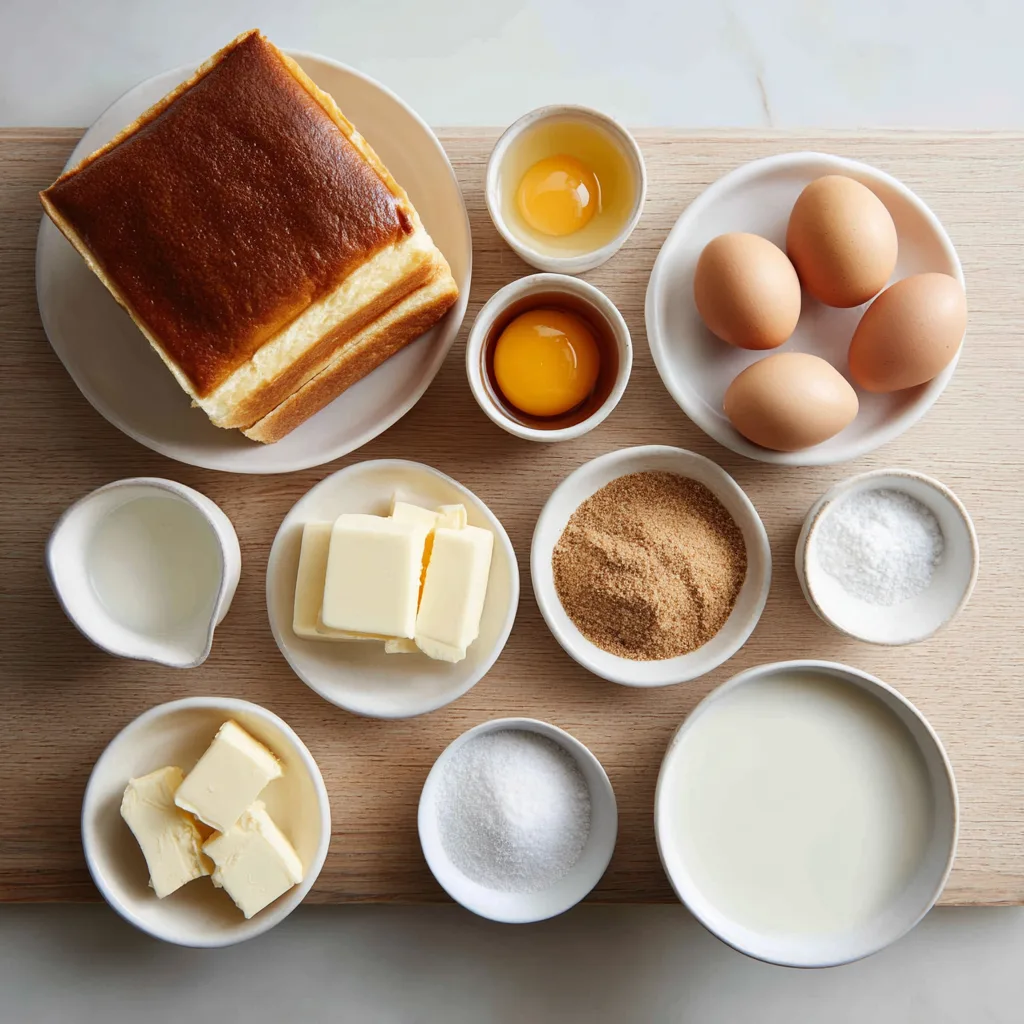
Ingredients:
- Brioche or challah bread, sliced thick
- Eggs
- Heavy cream
- Whole milk
- Granulated sugar
- Brown sugar
- Unsalted butter
- Vanilla extract
- Ground cinnamon
- Salt
- Granulated sugar (for brûlée topping)
Instructions:
- Generously butter a baking dish and arrange the bread slices snugly in a single layer.
- In a large bowl, whisk together eggs, heavy cream, milk, granulated sugar, brown sugar, vanilla extract, cinnamon, and salt until fully combined.
- Pour the custard mixture evenly over the bread, pressing gently to ensure all slices are soaked.
- Cover the dish tightly and refrigerate for at least 4 hours or overnight.
- Preheat the oven to 350°F (175°C).
- Bake uncovered for 35–40 minutes, or until puffed, set in the center, and lightly golden on top.
- Remove from the oven and let cool slightly.
- Sprinkle an even layer of granulated sugar over the top.
- Use a kitchen torch to caramelize the sugar until golden and crackly, or broil briefly while watching closely.
- Let the sugar harden for a minute before serving.
Crème Brûlée French Toast
Ingredients
Equipment
Method
- Butter a baking dish and arrange bread slices inside.
- Whisk eggs, cream, milk, sugars, vanilla, cinnamon, and salt.
- Pour custard over bread and refrigerate at least 4 hours or overnight.
- Bake at 350°F (175°C) for 35–40 minutes until set.
- Sprinkle sugar on top and caramelize with torch or broiler.
Notes
Tips & Tricks
- Use day-old bread for the best texture.
- Don’t rush the caramelization—slow, even heat creates the best crack.
- Let the sugar set before serving for that authentic crème brûlée finish.
Variations
- Add orange zest or almond extract to the custard.
- Top with raspberries, strawberries, or caramelized bananas.
- Swap brioche for croissants for extra richness.
Serving Suggestions
- Serve with fresh berries and whipped cream.
- Pair with crispy bacon or sausage for balance.
- Perfect for Christmas morning, Easter brunch, or Mother’s Day.
Storage Information
- Refrigerate leftovers for up to 3 days.
- Reheat gently in the oven; brûlée topping is best fresh.
- Freeze unbrûléed portions for up to 1 month.
FAQ
- Can I make this without a torch? Yes, use the oven broiler carefully.
- Is this overly sweet? No—the custard is balanced, with sweetness mainly from the brûléed top.
- Can I prepare it fully ahead? Bake ahead, then brûlée just before serving.
History / Fun Facts
Crème brûlée dates back centuries in French cuisine, prized for its creamy custard and brittle sugar shell. This breakfast adaptation became popular in American brunch culture as a way to elevate classic French toast into something restaurant-worthy yet home-friendly.