Olivia Hayes
 There’s something deeply grounding about recipes that have survived generations with little need for change. Irish Potato Farl is one of those humble, enduring foods — born from necessity, shaped by tradition, and loved for its simplicity. Made from everyday ingredients and cooked on a hot griddle, potato farls are a quiet celebration of Irish resilience and resourcefulness.
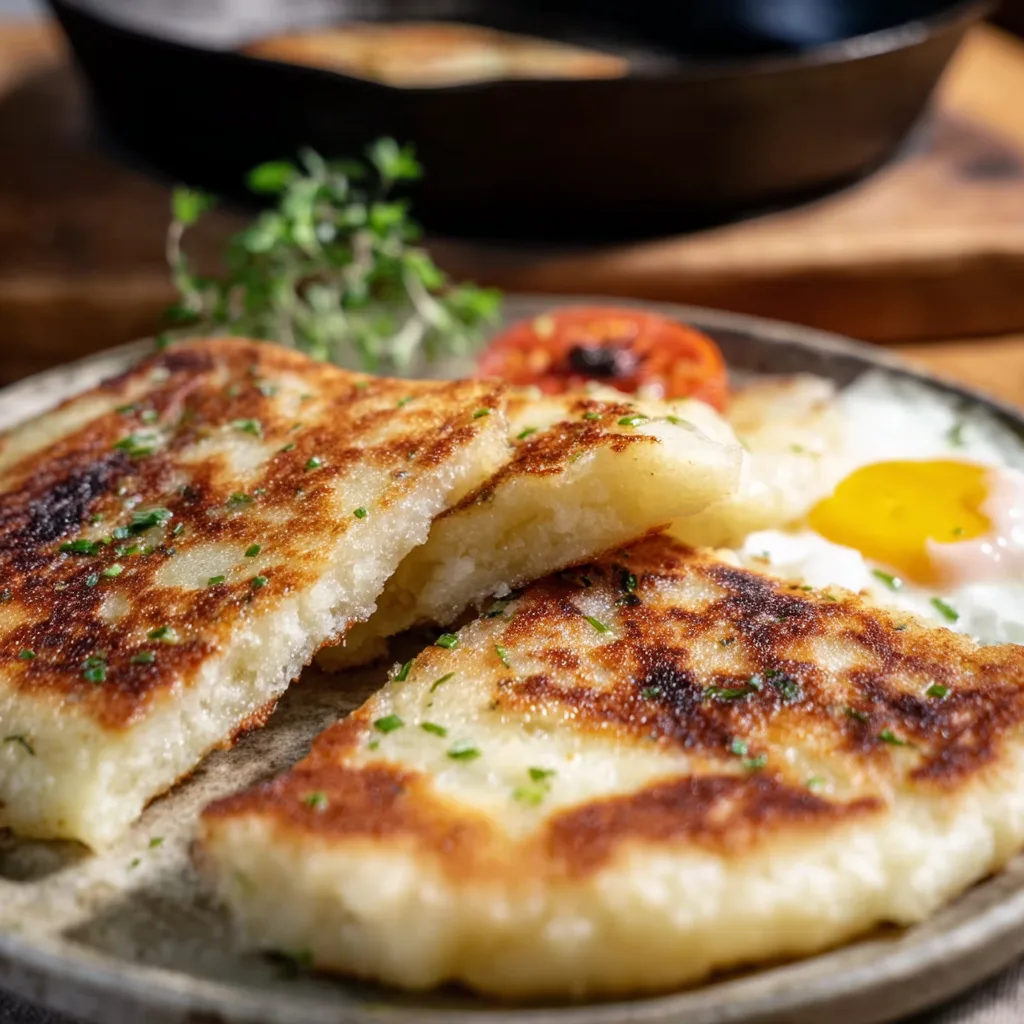
If you’ve ever enjoyed a full Irish breakfast, chances are you’ve encountered potato farls nestled beside eggs and sausages, soaking up flavors and adding comfort to the plate. But farls aren’t just a breakfast item — they’re a cultural symbol, a memory food, and an invitation to slow down and cook something meaningful.
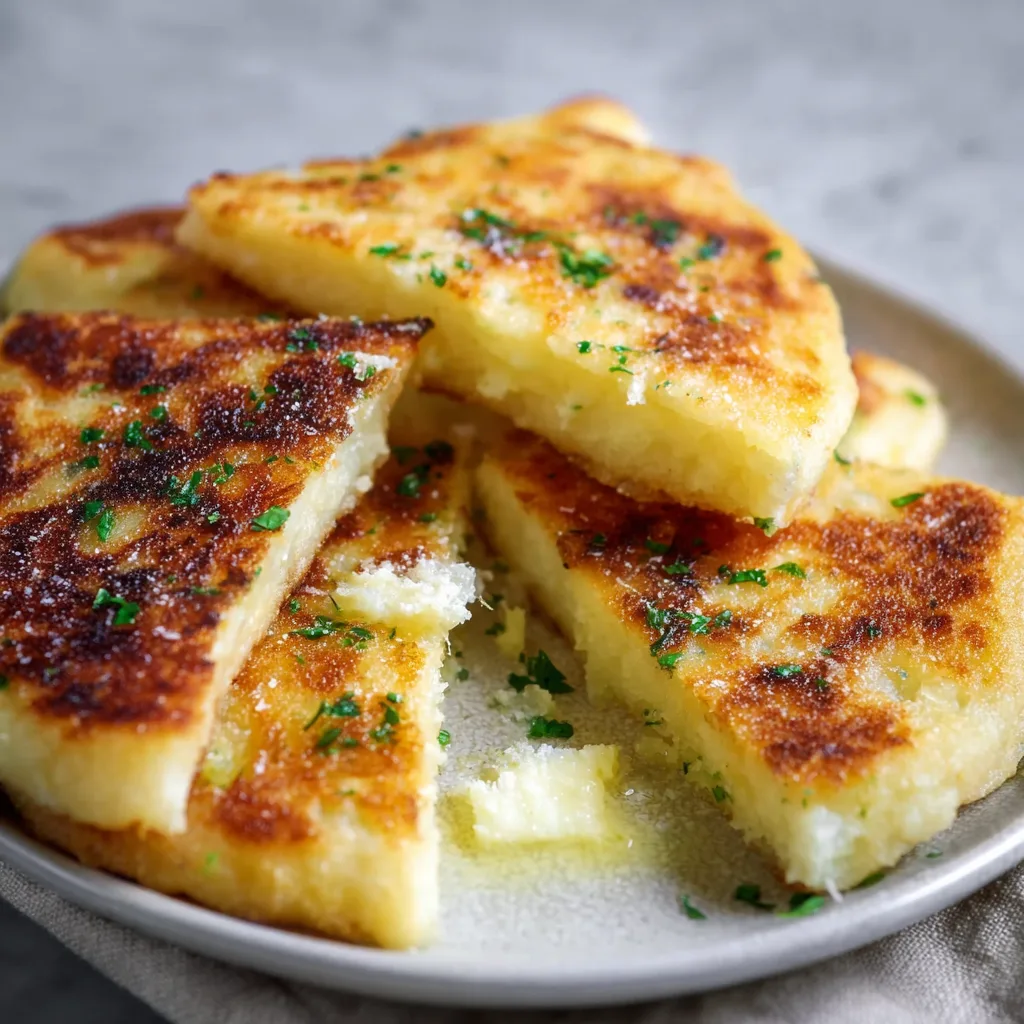
In this guide, you’ll learn not just how to make Irish potato farls from scratch, but why they matter, how to perfect them, and how to enjoy them in both traditional and modern ways.
What Is Irish Potato Farl?
A potato farl is a type of Irish potato bread made with mashed potatoes and flour, traditionally cooked on a griddle or skillet. The word farl comes from the Scottish word fardel, meaning “four parts,” referencing how the dough is shaped into a round and cut into quarters before cooking.
Unlike yeast breads, potato farls are quick to prepare and require no rising time. They were historically made to use up leftover mashed potatoes, making them an economical and practical staple in Irish homes.
Soft on the inside, lightly crisp on the outside, and gently buttery, farls are comfort food in its purest form.
Why Potato Farls Are Still Loved Today
Potato farls remain popular because they deliver:
- Simple, affordable ingredients
- Fast preparation with no yeast
- A neutral flavor that pairs with sweet or savory foods
- A deeply nostalgic, homemade feel
In modern kitchens, farls have found new life as sandwich bases, brunch sides, and even creative appetizers — but their soul remains rooted in Irish tradition.
Ingredients for Irish Potato Farl
Using the right ingredients — and treating them simply — is the key to authentic flavor.
Ingredients
- Mashed potatoes (warm or room temperature, no added milk)
- All-purpose flour
- Salt
- Unsalted butter (optional, but traditional)
- Extra flour for dusting
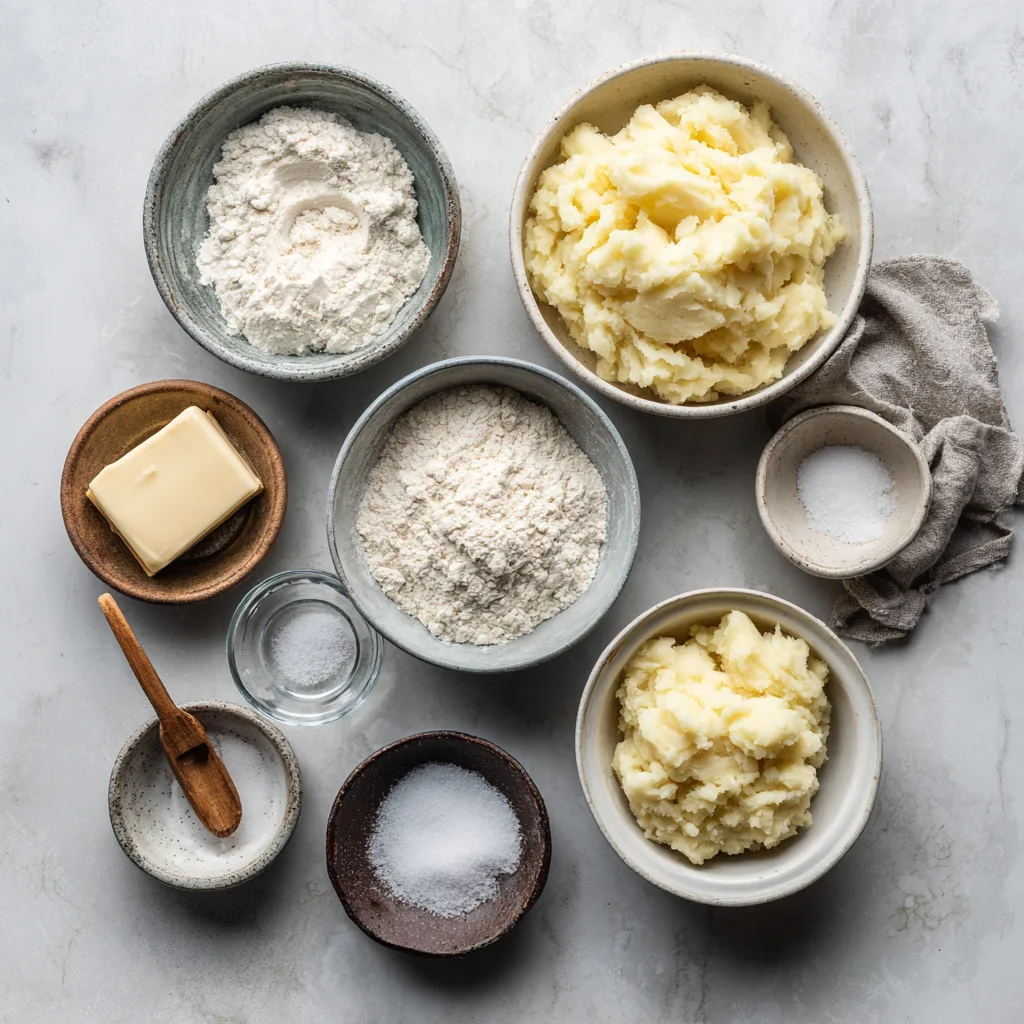
That’s it. No yeast, no eggs, no fuss.
Instructions: How to Make Irish Potato Farl
- Place the mashed potatoes in a large mixing bowl and season with salt while still slightly warm.
- Add the butter, if using, and mix until fully incorporated.
- Gradually add flour, mixing gently until a soft dough forms. Avoid overworking.
- Turn the dough out onto a lightly floured surface and knead briefly until smooth.
- Shape the dough into a round about ¾-inch thick.
- Cut the round into four equal wedges (farls).
- Heat a dry skillet or griddle over medium heat.
- Cook each farl for 4–5 minutes per side until golden brown and cooked through.
- Serve warm with butter, eggs, or your favorite accompaniments.
Irish Potato Farl
Ingredients
Equipment
Method
- Mix mashed potatoes with salt and butter until smooth.
- Gradually add flour to form a soft dough.
- Turn dough onto a floured surface and knead gently.
- Shape into a round and cut into four wedges.
- Cook on a hot dry skillet 4–5 minutes per side until golden.
Notes
Tips for Perfect Potato Farls
- Use dry mashed potatoes — excess moisture leads to sticky dough.
- Add flour gradually; too much makes farls dense.
- Cook on moderate heat to avoid burning before the center cooks.
- Rest the dough briefly before cooking to relax the starches.
- Serve immediately for the best texture.
Traditional Irish Serving Ideas
Potato farls are most famously served as part of a full Irish breakfast, alongside:
- Fried eggs
- Sausages
- Bacon rashers
- Grilled tomatoes
- Black or white pudding
They’re also delicious simply spread with butter and enjoyed with a cup of tea.
Modern Ways to Enjoy Potato Farls
Today’s cooks have found countless creative uses for farls:
- Breakfast sandwiches with egg and cheese
- Avocado and smoked salmon topping
- Sweet versions with honey or jam
- Mini farls as appetizer bases
- Toasted farls with soup or stew
Their neutral flavor makes them endlessly adaptable.
Cultural Notes & Fun Facts
- Potato farls became common after the potato was introduced to Ireland in the 16th century.
- They are especially associated with Northern Ireland.
- Traditionally cooked on a bakestone — a flat griddle over an open fire.
- Farls are distinct from boxty, another Irish potato bread that includes raw potato.
Why This Recipe Works
This Irish potato farl recipe stays true to tradition while remaining accessible for modern kitchens. It uses basic ingredients, minimal equipment, and produces reliable, comforting results every time. Whether you’re honoring your heritage or discovering Irish cooking for the first time, this recipe offers a meaningful connection to the past — one warm, golden bite at a time.