Olivia Hayes
 There’s something almost magical about watching a freshly baked Japanese cheesecake gently wobble as it cools. That soft jiggle — delicate, airy, cloud-like — is what makes Jiggly Japanese Cheesecake, also known as Cotton Cheesecake, so beloved around the world. Unlike traditional dense cheesecakes, this version is light as a soufflé and tender as sponge cake, with a subtle sweetness that melts on your tongue.
If you’ve ever walked past an Asian bakery and seen tall, pale golden cheesecakes bouncing slightly in their pans, you know the irresistible charm. This isn’t just dessert — it’s an experience.
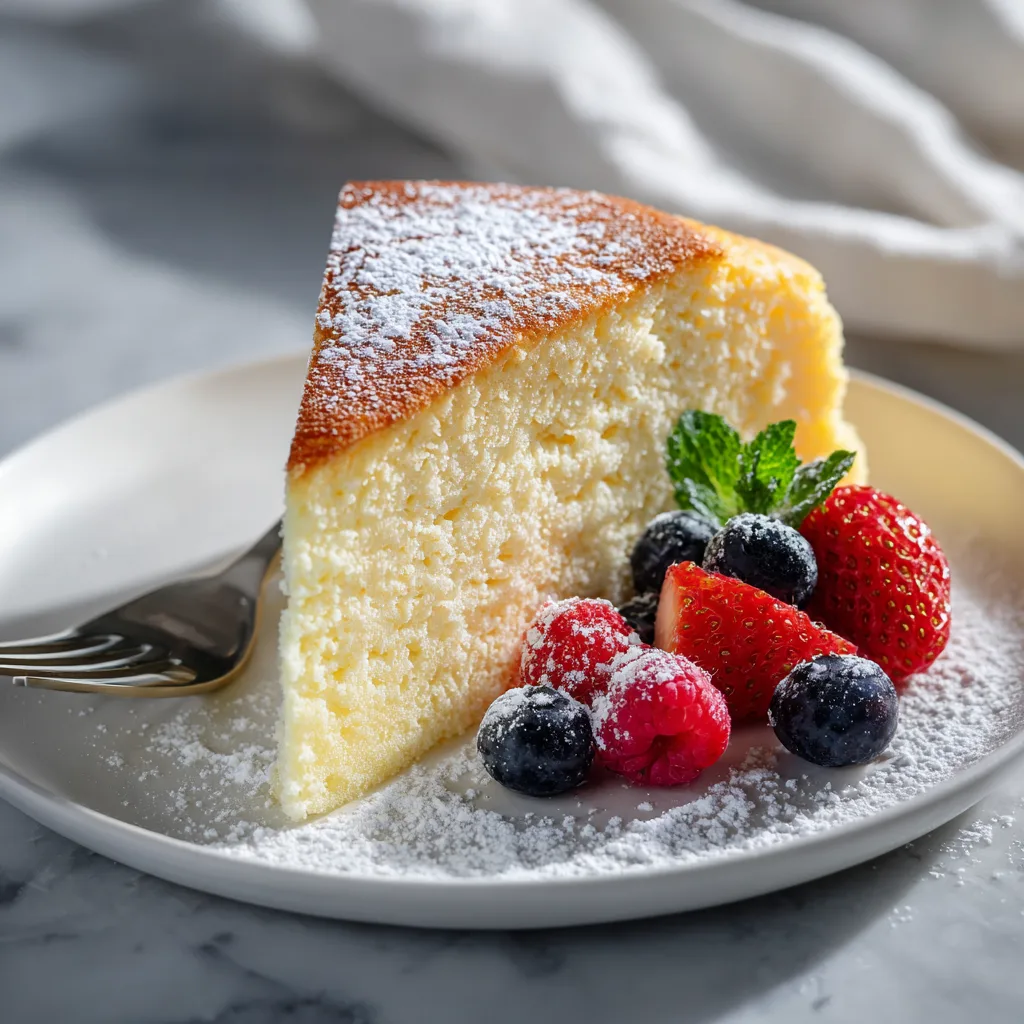
Today, I’m walking you step-by-step through making your own Japanese cotton cheesecake at home. No shortcuts. No complicated tricks. Just simple techniques that deliver that signature jiggle every single time.
What Makes Japanese Cheesecake Different?
Traditional American cheesecake is rich, dense, and creamy. Japanese cheesecake, on the other hand, blends cheesecake with chiffon cake. The secret? Whipped egg whites folded gently into a cream cheese batter.
The result is:
- Light and airy texture
- Soft, bouncy “jiggle”
- Mild sweetness
- Melt-in-your-mouth crumb
It’s often described as a cross between cheesecake and soufflé — and honestly, that’s exactly what it tastes like.
Ingredients
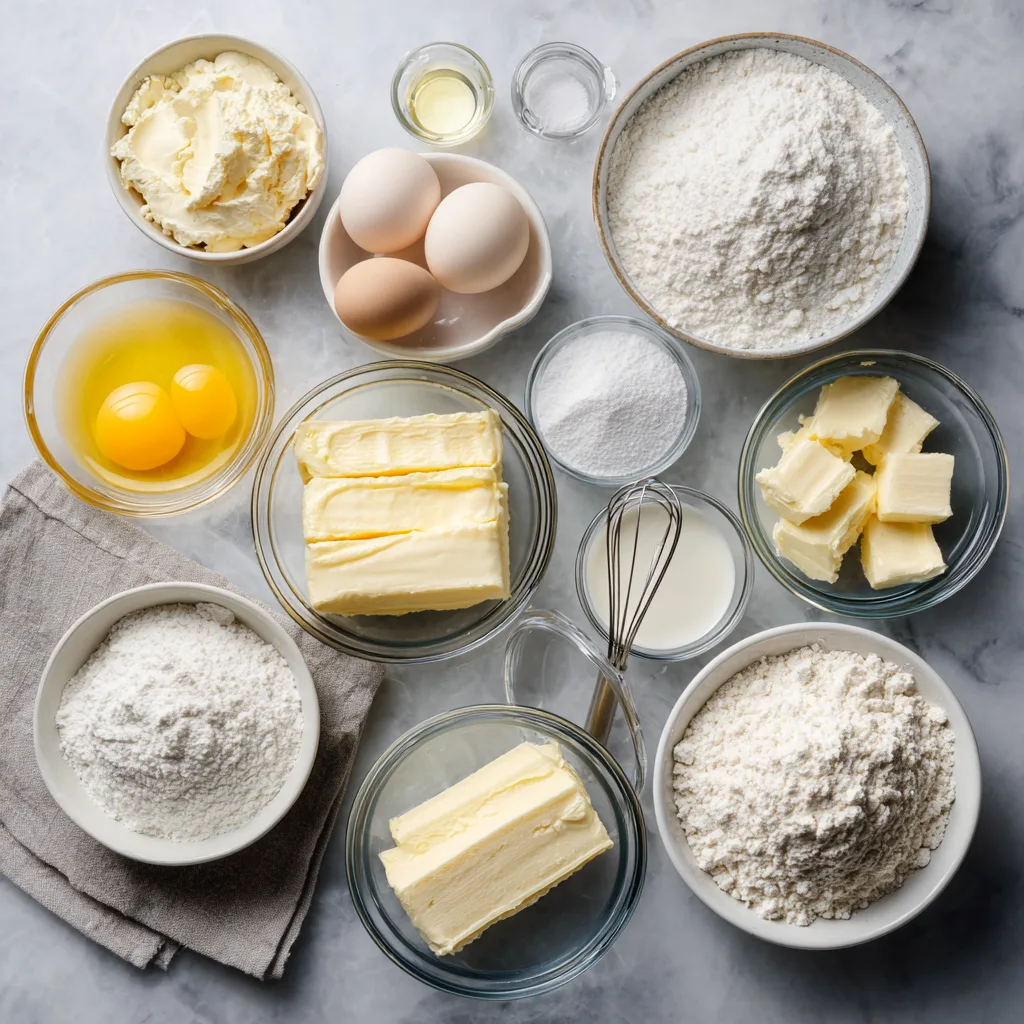
- 8 oz (225 g) cream cheese, softened
- 1/4 cup unsalted butter
- 1/2 cup whole milk
- 1/2 cup granulated sugar (divided)
- 6 large eggs, separated
- 1 cup cake flour (or 3/4 cup all-purpose flour + 2 tbsp cornstarch)
- 1 tbsp cornstarch
- 1 tsp vanilla extract
- 1 tsp lemon juice
- 1/4 tsp salt
- Powdered sugar, for dusting (optional)
Why Each Ingredient Matters
Cream Cheese: The foundation. Use full-fat for the best texture.
Egg Whites: The airiness comes from properly whipped meringue.
Cake Flour: Lower protein content keeps the cake tender.
Lemon Juice: Adds brightness and stabilizes egg whites.
Cornstarch: Helps create structure without heaviness.
Every ingredient plays a role in achieving that iconic jiggle.
Instructions
1. Prepare the Pan
Line the bottom of an 8-inch round cake pan (preferably springform) with parchment paper. Lightly grease the sides. Wrap the outside of the pan tightly with aluminum foil to prevent water from seeping in during baking.
Preheat oven to 320°F (160°C).
2. Melt Cream Cheese Mixture
In a heatproof bowl over a double boiler (or microwave in short bursts), melt cream cheese, butter, and milk together. Stir until smooth and silky. Remove from heat and let cool slightly.
3. Add Egg Yolks
Whisk in egg yolks one at a time. Add vanilla extract and lemon juice. Mix until fully incorporated.
4. Sift Dry Ingredients
Sift cake flour and cornstarch into the mixture. Whisk gently until smooth with no lumps. Do not overmix.
5. Make the Meringue
In a clean bowl, beat egg whites with salt until foamy. Gradually add the remaining sugar and whip until soft to medium peaks form. The meringue should hold shape but still look glossy.
6. Fold Gently
Add one-third of the meringue to the batter and fold gently to lighten it. Then fold in the remaining meringue in two additions using a spatula. Use slow, sweeping motions to avoid deflating the air.
7. Water Bath Baking
Pour batter into prepared pan and tap lightly to release air bubbles. Place the pan into a larger baking tray. Fill tray with hot water halfway up the sides of the cake pan.
Bake for 60–70 minutes until the top is lightly golden and the center jiggles slightly when shaken.
8. Cool Gradually
Turn off the oven and leave the door slightly open for 15 minutes. This prevents sudden collapse. Remove from oven and let cool completely before removing from pan.
Dust with powdered sugar before serving.
Jiggly Japanese Cheesecake (Cotton Cheesecake)
Equipment
Notes
Tips for the Perfect Jiggle
1. Don’t Overbeat the Meringue
Stiff peaks can cause cracks. Aim for soft-medium peaks.
2. Use a Water Bath
This ensures even baking and prevents cracking.
3. Avoid Overmixing
Fold gently to keep air in the batter.
4. Cool Slowly
Sudden temperature change can cause shrinking.
5. Use Room Temperature Ingredients
They blend more smoothly and evenly.
Why Your Cheesecake Might Crack
Even experienced bakers occasionally see cracks. Common reasons include:
- Overwhipped egg whites
- Oven temperature too high
- Skipping the water bath
- Rapid cooling
Don’t worry — cracks don’t affect taste. And honestly, a dusting of powdered sugar hides everything beautifully.
Flavor Variations
Once you master the classic cotton cheesecake recipe, try these twists:
Matcha Japanese Cheesecake
Add 1 tablespoon sifted matcha powder to the flour mixture.
Chocolate Cotton Cheesecake
Replace 2 tablespoons flour with cocoa powder and add melted dark chocolate.
Citrus Burst
Increase lemon juice and add orange zest for a bright flavor.
Berry Swirl
Swirl raspberry puree into the batter before baking.
Serving Suggestions
Japanese cheesecake is delicious on its own, but you can elevate it:
- Fresh strawberries and whipped cream
- Light fruit compote
- Dusting of cocoa powder
- Drizzle of honey
- Serve with green tea or coffee
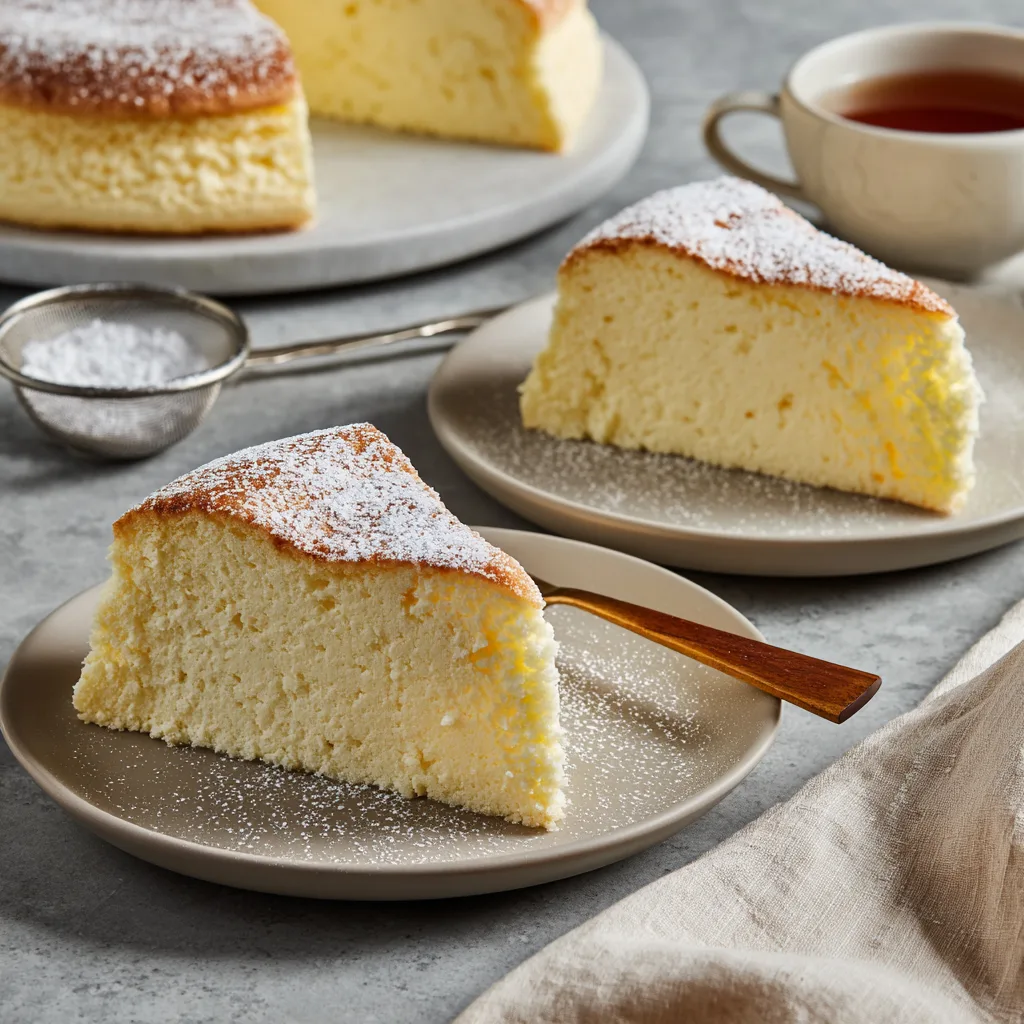
Because it’s lightly sweet, it pairs beautifully with tea and makes an elegant afternoon dessert.
Storage Tips
Store in the refrigerator in an airtight container for up to 3 days.
To enjoy the fluffiest texture, let it sit at room temperature for 15–20 minutes before serving.
You can also freeze slices individually for up to 1 month. Thaw overnight in the refrigerator.
The Cultural Charm of Cotton Cheesecake
Japanese cheesecake gained international popularity in the 1990s and exploded on social media thanks to its mesmerizing jiggle. It represents Japanese baking philosophy: delicate texture, balanced sweetness, and aesthetic beauty.
It’s not overly rich. It’s not heavy. It’s refined simplicity — and that’s what makes it so unforgettable.
Why You’ll Love This Recipe
- Foolproof step-by-step guidance
- Light, airy, and fluffy texture
- Not overly sweet
- Perfect for celebrations or tea time
- Stunning presentation
Once you make it, you’ll understand why people can’t resist that iconic wobble.
Final Thoughts
There’s something incredibly satisfying about pulling a tall, golden Japanese cotton cheesecake out of the oven and giving it that gentle shake. Watching it wobble ever so slightly feels like pure baking victory.
This fluffy cheesecake recipe may require a little patience, but the result is absolutely worth it. Soft, airy, lightly sweet, and beautifully delicate — it’s a dessert that feels special without being complicated.
And once you master it, you’ll never look at cheesecake the same way again.