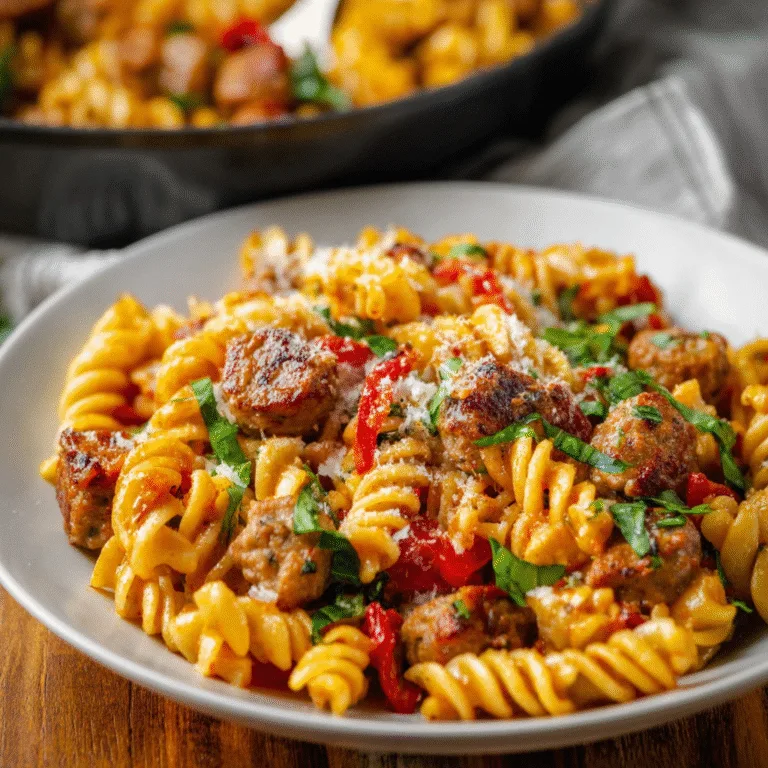
How to Make Homemade Pasta (Without a Machine) Recipe
There’s something almost magical about turning a simple pile of flour and eggs into silky ribbons of fresh pasta. It feels old-world. Intentional. A little romantic, even. And the best part? You don’t need a fancy pasta machine to do it.
This How to Make Homemade Pasta (Without a Machine) Recipe shows you exactly how to create tender, fresh pasta entirely by hand — using nothing more than a rolling pin, a knife, and a little patience.
Making pasta from scratch might sound intimidating, but it’s surprisingly simple. The ingredients are humble. The steps are straightforward. And the reward? Fresh pasta that cooks in minutes and tastes richer, softer, and more satisfying than anything from a box.
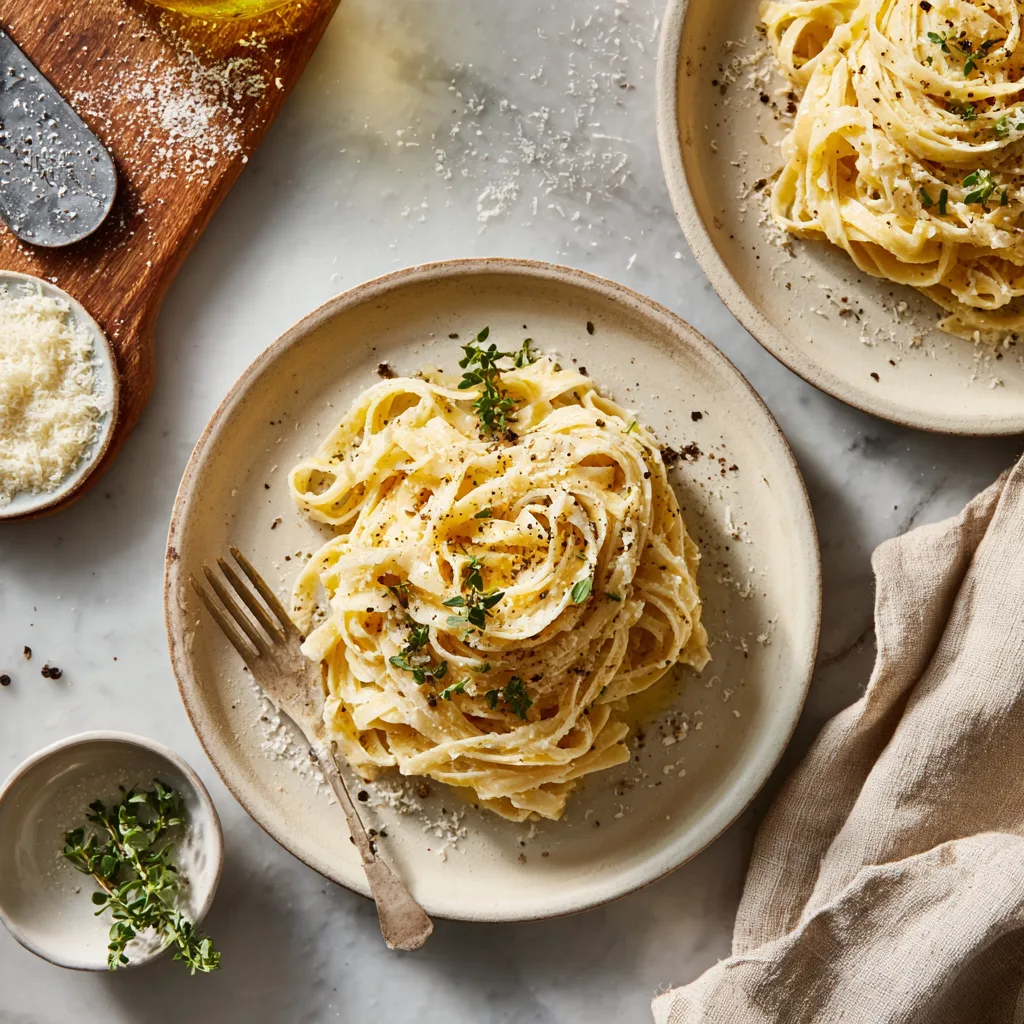
Let’s roll up our sleeves and make pasta the traditional way.
Why Make Homemade Pasta by Hand?
- No special equipment required
- Better texture and flavor than dried pasta
- Customizable thickness and shapes
- Affordable and simple ingredients
- Deeply satisfying cooking experience
Learning how to make pasta by hand connects you to generations of home cooks who perfected this craft long before electric mixers and attachments existed.
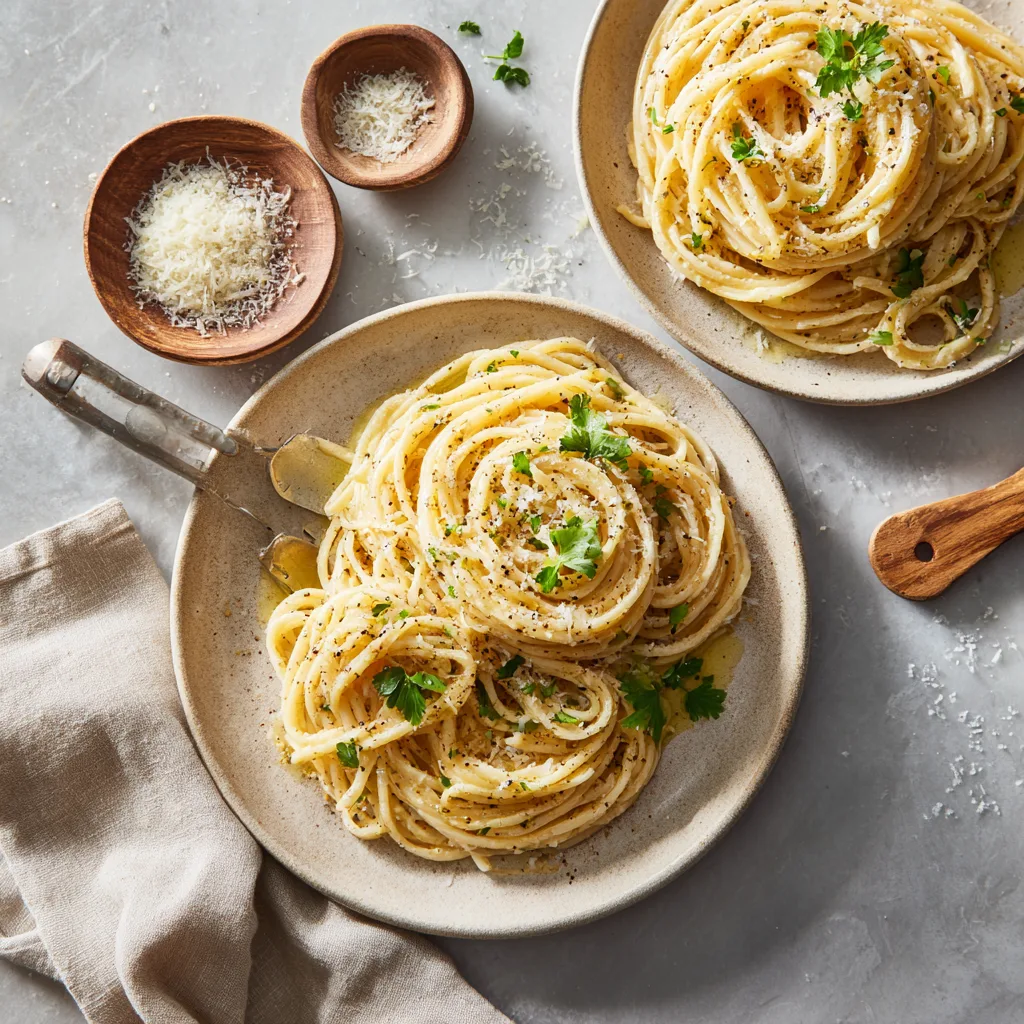
And once you try it, you’ll understand why it’s worth the effort.
Ingredients
- 2 cups all-purpose flour (plus extra for dusting)
- 3 large eggs
- 1 tablespoon olive oil
- ½ teaspoon salt
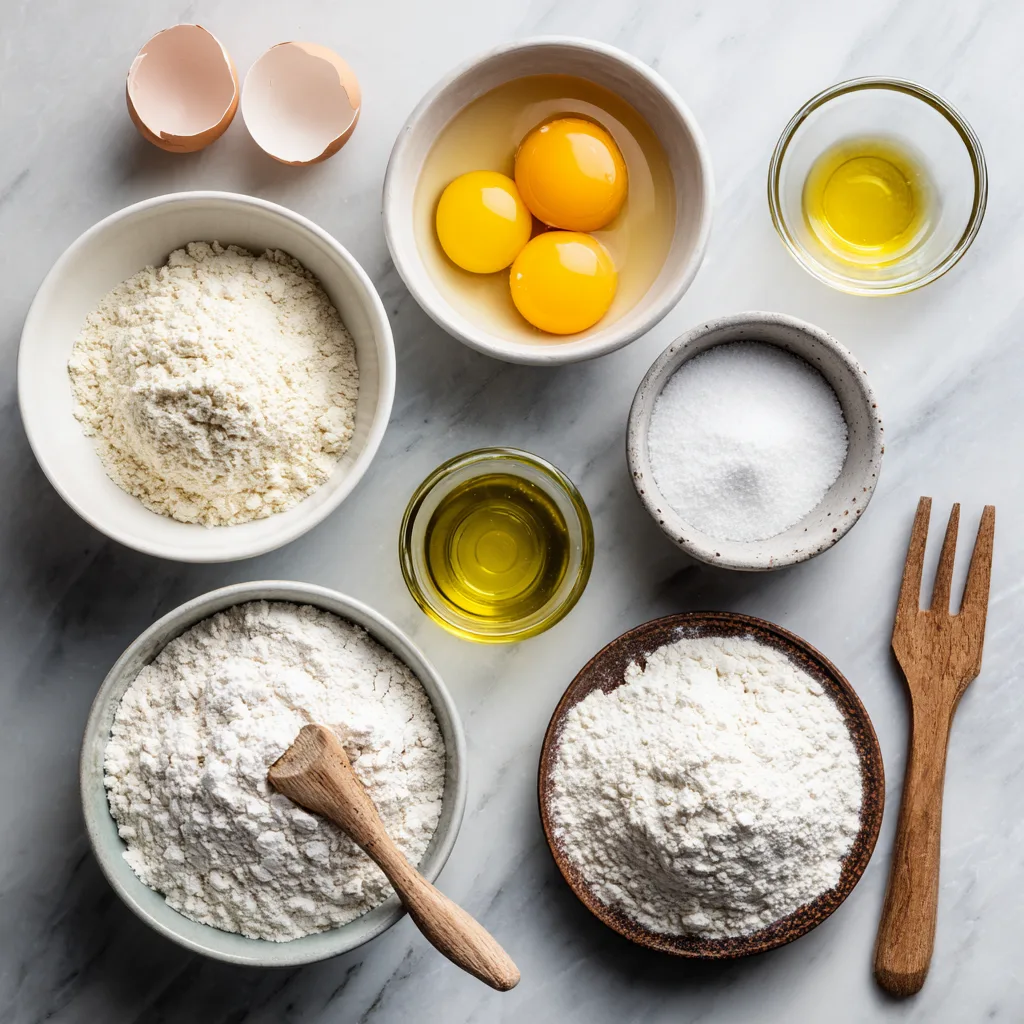
That’s it. Four simple ingredients.
Ingredient Breakdown
Flour
All-purpose flour works beautifully for beginners. For a slightly firmer texture, you can replace ½ cup with semolina flour.
Eggs
Eggs provide structure, richness, and color. Use room temperature eggs for easier mixing.
Olive Oil
Adds elasticity and makes rolling easier.
Salt
Enhances flavor directly in the dough.
Instructions
- On a clean surface, mound the flour into a pile. Create a well in the center.
- Crack the eggs into the well. Add olive oil and salt.
- Using a fork, gently whisk the eggs, gradually pulling small amounts of flour from the edges into the center.
- Continue mixing until a shaggy dough begins to form.
- Use your hands to bring the dough together into a ball.
- Knead for 8–10 minutes until smooth and elastic. The dough should feel firm but pliable.
- Wrap in plastic wrap or cover with a bowl. Let rest at room temperature for 30 minutes.
- Divide the dough into two pieces.
- Lightly flour your surface. Roll one piece into a thin sheet using a rolling pin, rotating frequently to prevent sticking.
- Roll until the dough is thin enough to see light through it (about 1–2 mm thick).
- Lightly dust with flour and fold loosely.
- Use a sharp knife to cut into desired width (fettuccine, tagliatelle, or thin strips).
- Gently separate strands and dust lightly with flour.
- Bring a large pot of salted water to a boil.
- Cook pasta for 2–3 minutes until tender.
- Drain and serve immediately.
How to Make Homemade Pasta (Without a Machine) Recipe
Ingredients
Equipment
Method
- Form flour into a mound and create a well in the center.
- Add eggs, olive oil, and salt into the well.
- Gradually mix flour into eggs until dough forms.
- Knead 8–10 minutes until smooth.
- Rest dough 30 minutes.
- Roll thin, cut into strips, and cook 2–3 minutes.
Notes
The Secret to Perfect Pasta Dough
The most important step is kneading. Proper kneading develops gluten, which gives pasta its structure and chew.
If the dough feels:
- Too dry → add a few drops of water
- Too sticky → add a light dusting of flour
The final dough should be smooth and slightly firm.
How Thin Should You Roll It?
For hand-rolled pasta dough:
- For delicate noodles: roll very thin
- For rustic pasta: slightly thicker works well
Remember, fresh pasta swells slightly when cooked.
If you can see your hand faintly through the dough, it’s ready.
Cooking Fresh Pasta
Fresh pasta cooks much faster than dried pasta — usually in 2–3 minutes.
It’s ready when:
- It floats to the surface
- It’s tender but still slightly firm
Always salt your cooking water generously.
Best Sauces for Fresh Pasta
Fresh pasta pairs beautifully with:
- Simple garlic and olive oil
- Brown butter and sage
- Fresh tomato sauce
- Creamy Alfredo
- Pesto
- Lemon butter sauce
Because fresh pasta is delicate, lighter sauces often shine best.
Shapes You Can Make Without a Machine
You don’t need special cutters to create variety.
Try:
- Fettuccine (wide ribbons)
- Tagliatelle
- Pappardelle (extra wide)
- Rustic hand-cut squares
- Simple lasagna sheets
You can even cut thin strands for rustic spaghetti.
Make-Ahead Tips
- Dough can be refrigerated up to 24 hours before rolling.
- Fresh cut pasta can be dried on a rack for 1–2 hours before cooking.
- For longer storage, freeze pasta nests on a tray, then transfer to a bag.
Cook frozen pasta directly without thawing.
Common Mistakes to Avoid
Skipping the Rest Time
Resting relaxes gluten, making rolling easier.
Not Flour Dusting Enough
Light dusting prevents sticking.
Rolling Too Thick
Thicker pasta can taste doughy.
Overcooking
Fresh pasta cooks quickly — watch carefully.
Why Homemade Pasta Tastes Better
Store-bought dried pasta is convenient, but homemade pasta offers:
- Richer egg flavor
- Softer, silkier texture
- Better sauce absorption
- Custom thickness control
There’s a noticeable difference in mouthfeel and flavor.
A Little Pasta History
Traditional pasta from scratch has been made by hand for centuries. Long before machines, families gathered around kitchen tables to knead dough and roll sheets thin with wooden rolling pins.
This method honors that tradition — simple ingredients transformed through skill and care.
Frequently Asked Questions
Can I make this without eggs?
Yes, but you’ll need a water-based dough recipe instead.
Do I need semolina flour?
No — all-purpose flour works perfectly.
Can kids help?
Absolutely! Rolling and cutting pasta is fun and hands-on.
Final Thoughts
Learning how to make homemade pasta without a machine is one of those kitchen skills that feels empowering. It turns ordinary ingredients into something special.
It’s not just about the pasta. It’s about slowing down. Feeling the dough under your hands. Watching flour and eggs transform into silky ribbons.
Once you taste fresh pasta you made yourself, you may never look at a box of dried noodles the same way again.
Roll, cut, cook — and enjoy every bite.